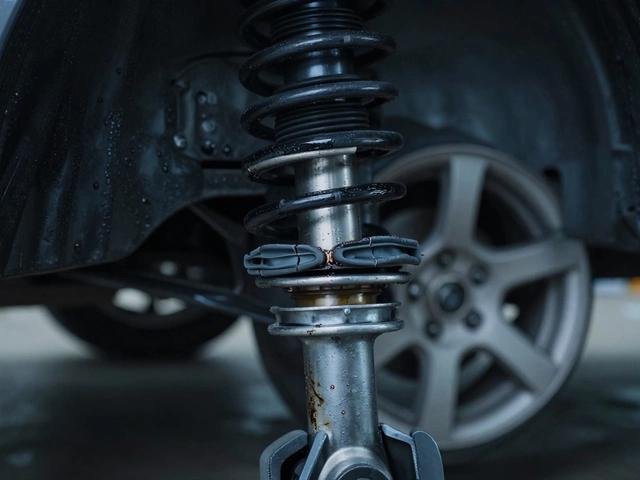
Car shock absorbers play an essential role in maintaining passenger comfort and vehicle stability while driving. Working alongside the suspension system, they help absorb shocks and vibrations caused by speed bumps, potholes, and uneven road surfaces. However, over time and with frequent use, shock absorbers may become worn or lose their efficiency, directly affecting vehicle control, especially at high speeds or during sudden maneuvers.
The risks of worn shock absorbers go beyond an uncomfortable ride inside the cabin. They may also increase stopping distances and reduce tire contact with the road. Therefore, it is important to recognize the early warning signs of a problem before it develops and compromises driving safety.
Continued Vehicle Bouncing After Going Over Bumps
One of the most common signs of worn shock absorbers is excessive bouncing that continues after the vehicle passes over a speed bump or pothole. Under normal conditions, shock absorbers control spring movement and help the vehicle return to a stable position quickly.
When they lose their effectiveness, the vehicle may continue bouncing up and down after crossing a bump, indicating that the suspension system needs inspection.
Reduced Vehicle Stability When Cornering
If you notice that your vehicle leans excessively when entering a corner, the shock absorbers may have lost some of their ability to control body movement.
The problem becomes more noticeable when cornering at higher speeds or making sudden direction changes. The vehicle may respond less effectively to steering inputs, making it harder to maintain the correct driving line.
Increased Stopping Distance When Braking
Worn shock absorbers can reduce tire stability and contact with the road during braking, particularly when driving over uneven surfaces. In some cases, the front of the vehicle may dip noticeably when the brakes are applied.
Although increased stopping distances can also be related to tire or brake conditions, weakened shock absorbers may be one contributing factor. Therefore, both the suspension and braking systems should be inspected when this symptom appears.
Oil Leaks From the Shock Absorber Body
Many shock absorbers use hydraulic fluid to control suspension movement. Therefore, visible oil residue on the shock absorber body may indicate damaged internal seals and fluid leakage.
Not every trace of dirt or residue means that the shock absorber is faulty. However, a wet, oily surface or recurring leakage should be checked by a qualified technician to determine the component’s condition.
Unusual Noises From the Suspension System
You may hear knocking or clunking sounds when driving over speed bumps or potholes, particularly if the shock absorbers are worn or related components are damaged. These may include shock absorber mounts, bushings, or suspension joints.
It is important not to assume that the shock absorbers are always the source of the noise, as other suspension components can produce similar sounds when worn or loose.
Uneven Tire Wear
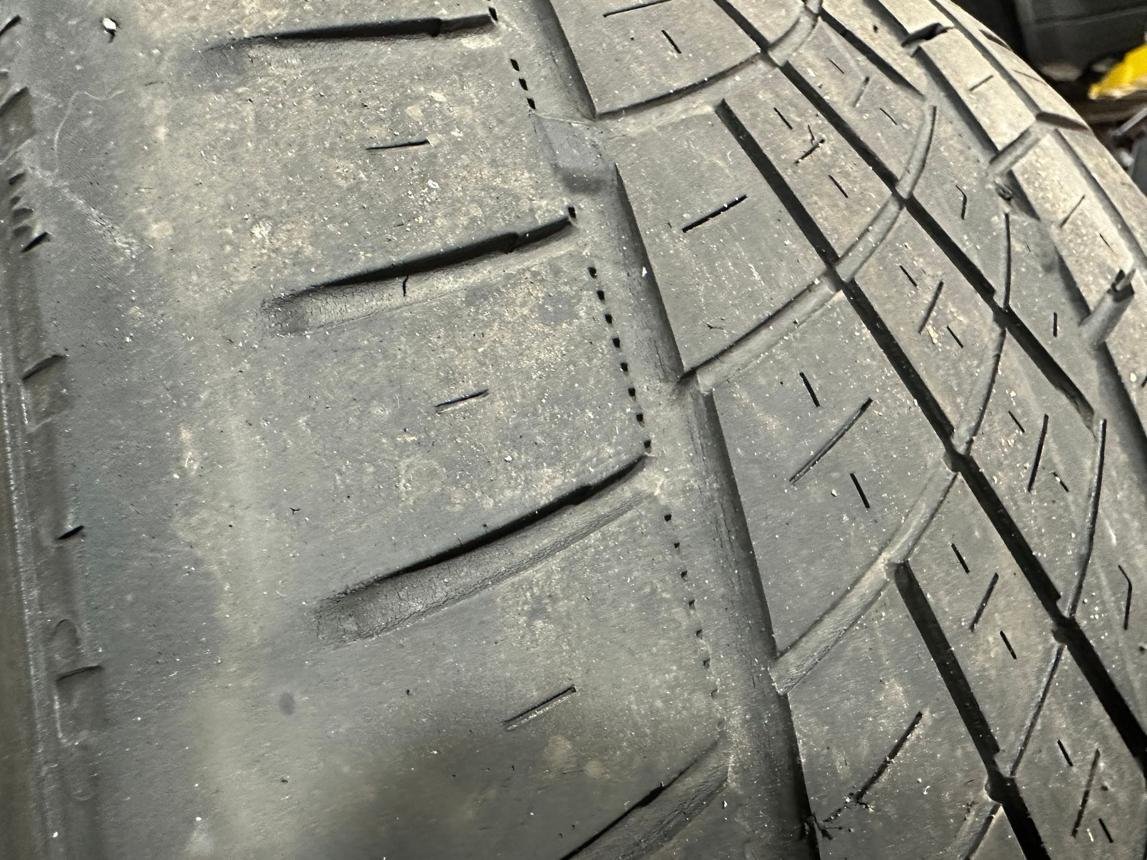
Worn shock absorbers can affect tire stability and pressure distribution while driving, potentially causing irregular wear across the tire surface. If you notice unusual differences in tire wear, it is advisable to inspect the shock absorbers as well as check wheel alignment and balancing.
How Can You Check Whether Your Car’s Shock Absorbers Are in Good Condition?
You can notice some warning signs while driving or during a visual inspection. However, an accurate diagnosis requires a qualified technician to examine the shock absorbers, their mounting points, and other suspension components.
You should also avoid relying solely on the bounce test, which involves pressing down on the vehicle body, as it cannot identify every type of shock absorber problem.
Once a faulty shock absorber is confirmed, it is generally recommended to replace both shock absorbers on the same axle to prevent differences in performance between the two sides of the vehicle. Make sure to choose replacement parts that meet the manufacturer’s specifications, and have the remaining suspension components inspected after installation.
Conclusion
Ignoring the signs of worn car shock absorbers can turn a minor issue into a safety risk that affects vehicle stability and control. Paying attention to continued bouncing, excessive body roll when cornering, oil leaks, and unusual noises can help you identify the problem early.
Make sure to have your suspension system inspected and serviced at the right time to maintain its performance and enjoy a safer, more comfortable driving experience.
Frequently Asked Questions
How often should car shock absorbers be replaced?
There is no fixed mileage that applies to all vehicles. The service life of shock absorbers depends on component quality, road conditions, and driving habits. Regular inspections are therefore recommended.
Can you drive a car with worn shock absorbers?
The vehicle may still be drivable, but that does not mean it is safe. Worn shock absorbers can reduce stability and control, so the problem should be inspected and repaired as soon as possible.
Should all four shock absorbers be replaced at the same time?
Not necessarily. However, it is generally recommended to replace both shock absorbers on the same axle to maintain vehicle balance and consistent suspension performance.