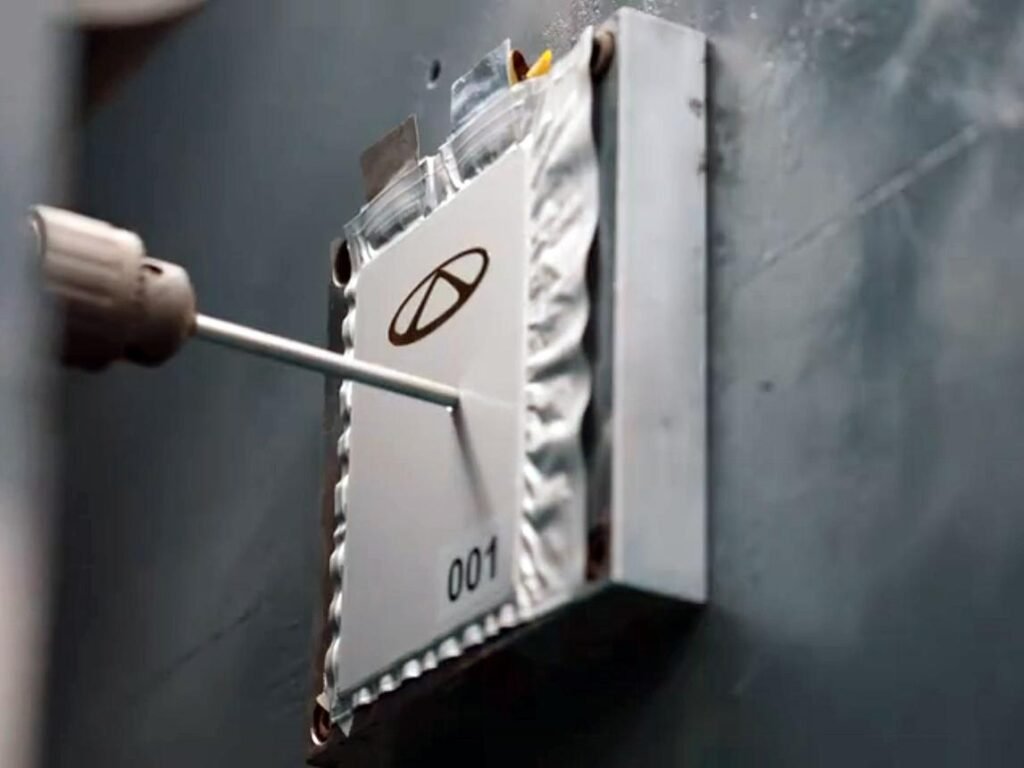
Chinese automaker Chery is continuing to strengthen its investment in solid-state battery technology, revealing new developments under its Rhinoceros battery family. The move reflects the company’s efforts to develop energy storage solutions that offer higher energy density and longer driving ranges for electric vehicles.
During its Global Innovation Conference held on October 20, 2026, Chery presented its battery development roadmap, including the Rhinoceros S all-solid-state battery. The company announced that the battery has achieved an energy density of 400 Wh/kg, with plans to launch a dedicated pilot production line in 2027.
Higher Energy Density and Longer Driving Range
Through this technology, Chery aims to improve electric vehicle performance. Higher energy density can allow batteries to store more electricity within the same battery volume or weight, potentially increasing driving range while reducing the size and weight of battery packs.
The company has also previously outlined its ambition to achieve an energy density of 600 Wh/kg as part of its research efforts, alongside targets for driving ranges exceeding 1,500 km in certain future applications. However, these figures remain announced technological targets rather than confirmed specifications for commercially available production vehicles.
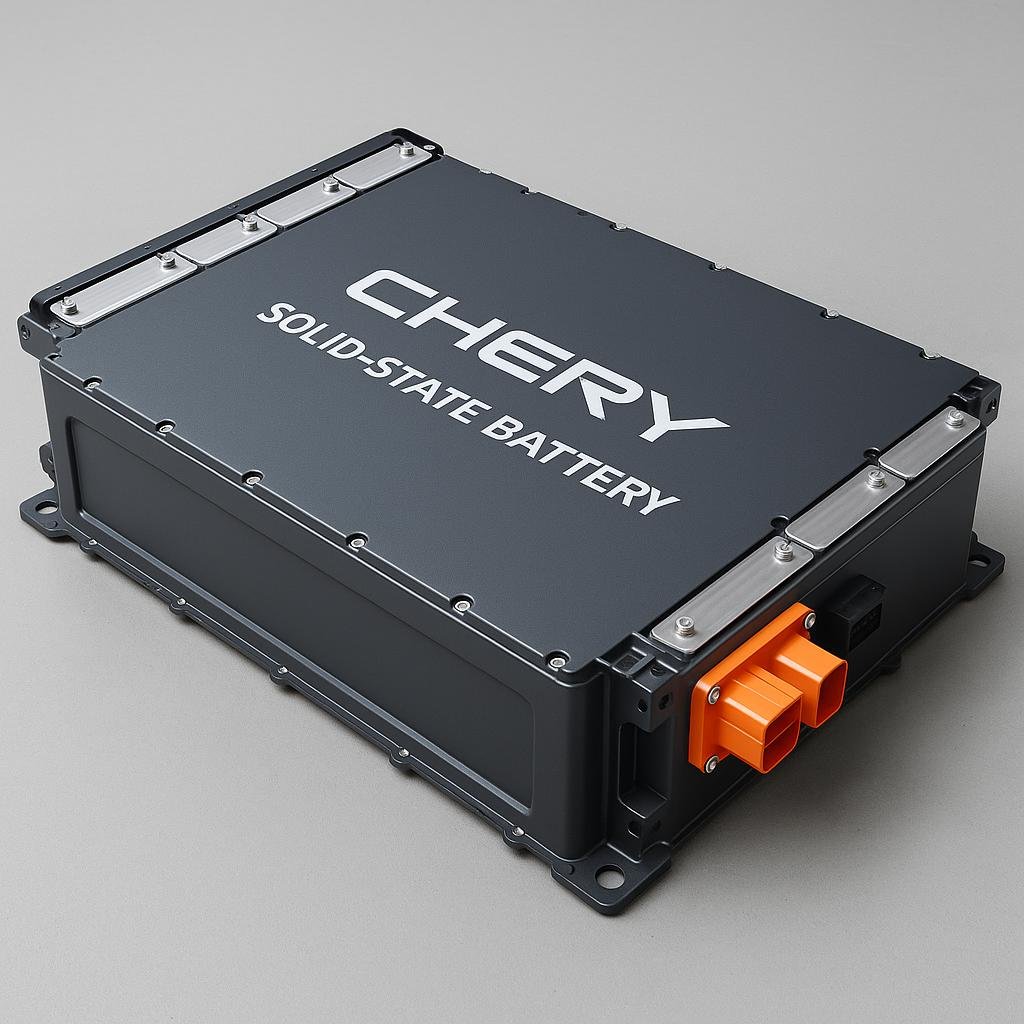
Chery’s Roadmap Toward Commercial Production
Chery is following a gradual development strategy for this technology. The company plans to begin operating a dedicated pilot production line for solid-state batteries in 2027, alongside plans to conduct vehicle-level testing and validation during the same year.
Chery is also developing transitional battery solutions that combine liquid and solid electrolytes. The company plans to introduce these batteries in vehicles during the fourth quarter of 2026, before moving toward fully solid-state battery applications.
Challenges Facing the Technology
Despite the progress announced by Chery, large-scale commercial production still faces several challenges, including material costs, interface stability between cell components, manufacturing efficiency, and ensuring consistent performance and safety throughout repeated charging and discharging cycles.
These challenges highlight that launching pilot production lines or beginning vehicle testing does not necessarily mean that large-scale commercial manufacturing is already within reach.
Chery is therefore moving closer to a more advanced stage in solid-state battery development. However, turning these innovations into commercially viable products will depend on testing results, lower manufacturing costs, and achieving reliable levels of safety and performance.