The Volkswagen Golf continues to maintain its position as one of the world’s most popular hatchback cars, thanks to its long history spanning several decades and its ability to combine practical design, sporty performance, and modern technology. Since the launch of its first generation, the Golf has become one of the most influential models in shaping the compact hatchback segment, with continuous developments in engines, safety systems, and interior features.
With the 2026 models, Volkswagen continues to offer the Golf with a more refined design and a wide range of technological features, alongside multiple engine options designed to meet the needs of drivers looking for a practical everyday car as well as those who enjoy sporty driving, particularly with the high-performance GTI and R variants.
In this article, we explore the key specifications of the Volkswagen Golf, including its exterior and interior design, engine performance, safety systems, and the main advantages and disadvantages buyers should consider before purchasing.
Exterior Design of the 2026 Volkswagen Golf
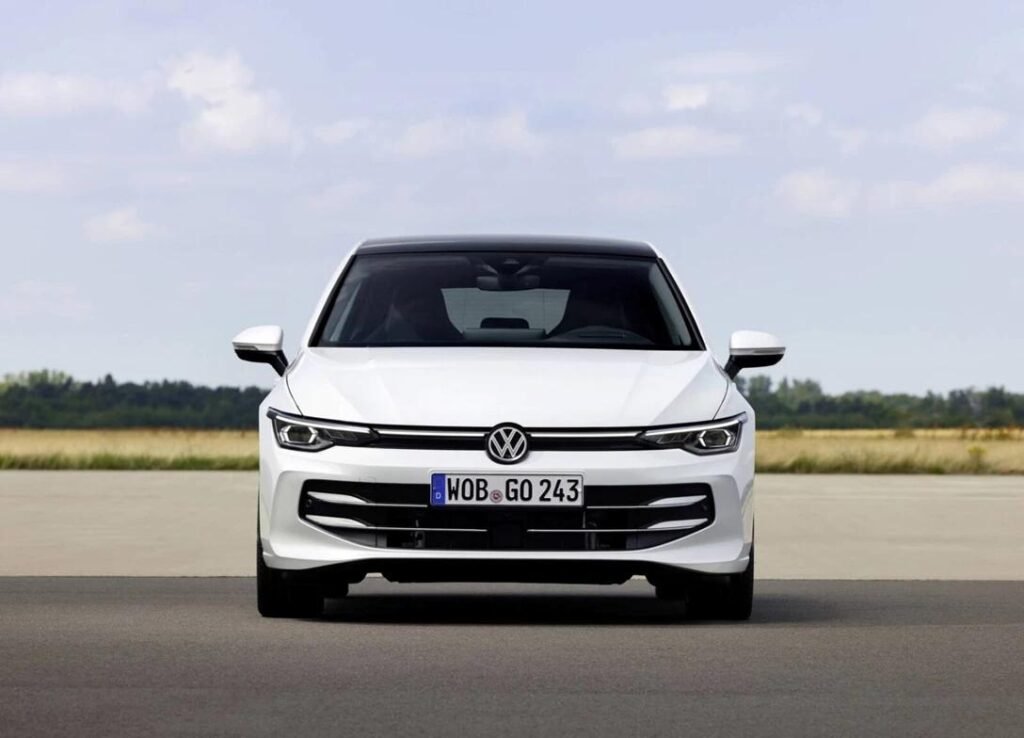
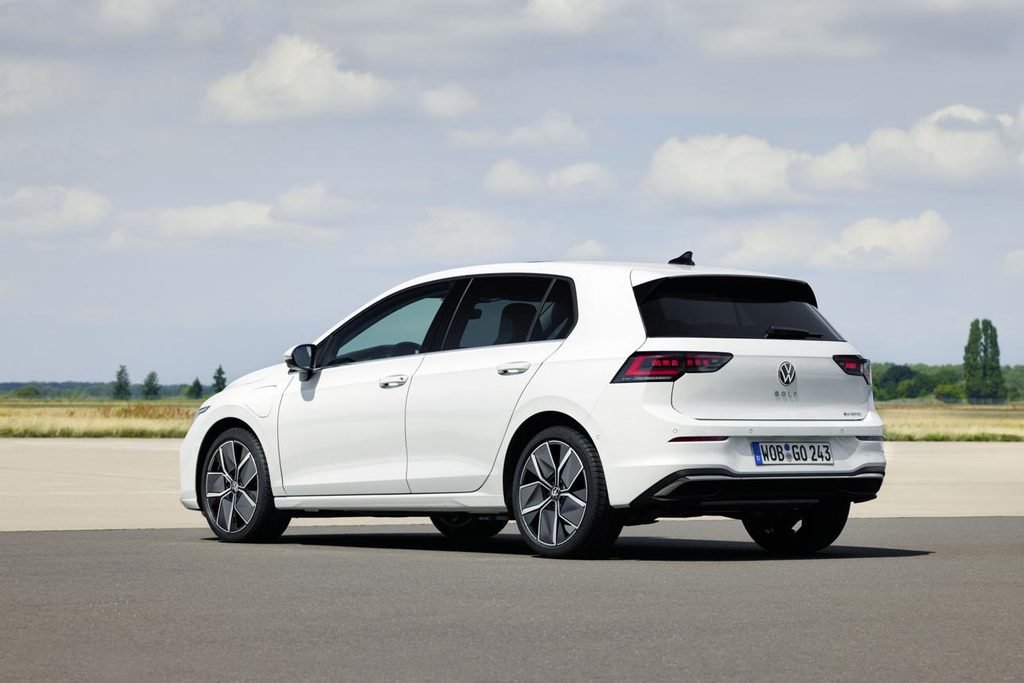
The Volkswagen Golf has received several design updates that give it a more modern appearance while maintaining the model’s familiar identity, which is characterized by clean lines and a sporty character without excessive styling details.
The main exterior design highlights include:
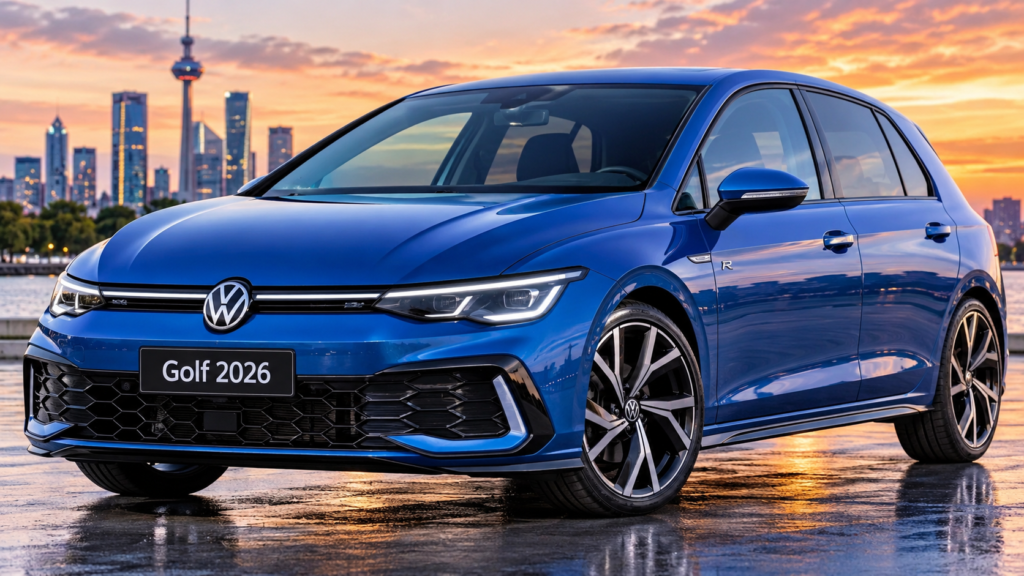
- Front Fascia: Features a more streamlined appearance, with a slim front grille and modern LED headlights that give the car a distinctive look.
- Headlights: Some trims are equipped with IQ.LIGHT LED Matrix technology, providing advanced illumination and improved visibility during nighttime driving.
- Front Bumper: Features a sporty design that varies depending on the trim level, particularly in the R-Line and GTI versions.
- Side Profile: The car features distinctive lines running along the body, enhancing its sense of stability and movement.
- Wheels: Available in different designs and sizes depending on the trim level and market.
- Rear Design: Features modern LED taillights with a distinctive lighting signature, along with a practical rear hatch that provides easy access to the cargo area.
Exterior details vary between standard trims, R-Line, GTI, and Golf R versions, with the sporty models receiving bolder styling elements that reflect their performance-oriented character.
Volkswagen Golf Dimensions and Interior Space
The Volkswagen Golf belongs to the compact hatchback segment, offering dimensions that help balance easy maneuverability in urban environments with adequate passenger space.
According to European-specification data, the Golf measures approximately 4,282 mm in length, 1,789 mm in width excluding mirrors, and 1,483 mm in height, while its wheelbase measures 2,620 mm.
The standard version offers approximately 381 liters of luggage capacity, providing suitable space for everyday belongings and luggage, with additional storage space available when the rear seats are folded down.
Some dimensions may vary between different versions, particularly the GTI, GTE, and Golf R, so buyers should check the specifications of the exact version before purchasing.
Interior Design and Technology Features
The Volkswagen Golf offers a cabin that combines practicality with modern technology, featuring a clear control layout and digital displays designed to deliver a more advanced driving experience.
Key interior features available depending on the trim level and market include:
- A central touchscreen infotainment system.
- A digital instrument cluster displaying driving information clearly.
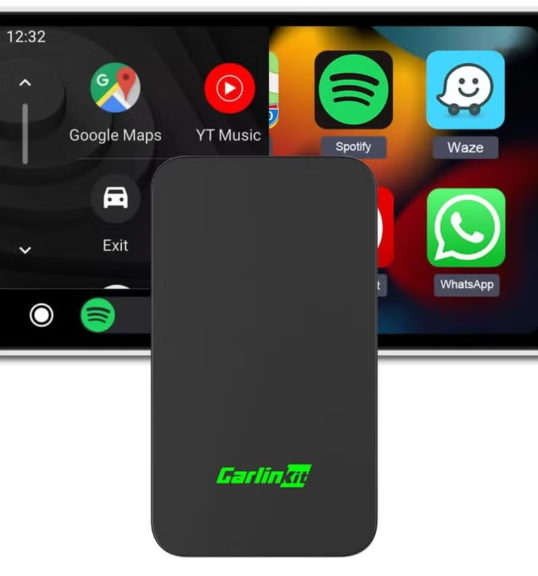
- Navigation and smartphone connectivity.
- Apple CarPlay and Android Auto support, depending on equipment.
- A multifunction steering wheel.
- Sporty seat designs in selected trims.
- An advanced climate control system.
- USB ports for charging electronic devices.
- Ambient interior lighting in selected versions.
- Interior materials and finishes that vary depending on the trim level.
One of the most notable updates to the refreshed Golf is its infotainment system, which features a larger display and a faster processor, alongside improvements to the IDA voice assistant. The system supports smart functions, including ChatGPT integration in selected markets and configurations.
The vehicle’s control experience has also become increasingly focused on digital interfaces, with improvements to information display and easier access to applications and settings.
Some trims feature a 1.5-liter engine equipped with mild-hybrid technology, producing up to 150 hp.
The electric assistance system helps improve fuel efficiency and supports engine performance under different driving conditions.
Golf GTE Plug-in Hybrid Version
The Volkswagen Golf GTE features a plug-in hybrid powertrain that combines a petrol engine with an electric motor, delivering up to 272 hp in the European lineup.
This version also offers the ability to drive using electric power alone for suitable distances, depending on driving conditions and battery charge levels.
Golf GTI Sporty Version
The GTI is one of the most famous versions in the Golf lineup. It is powered by a 2.0-liter TSI turbocharged petrol engine producing up to 265 hp in European specifications, with 370 Nm of torque.
This version targets sports car enthusiasts looking for strong acceleration and more precise handling without sacrificing the practicality of a hatchback.
High-Performance Golf R Version
The Golf R represents the highest-performance model in the Golf family. It is powered by a 2.0-liter TSI engine producing up to 333 hp in European specifications, with 420 Nm of torque and Volkswagen’s 4MOTION all-wheel-drive system.
This version delivers strong acceleration and excellent stability, supported by a range of dynamic control systems designed to enhance the sporty driving experience.
Power figures and equipment may vary depending on the market, with differences between European and American specifications.
Transmission, Suspension, and Stability
The Volkswagen Golf comes with different transmission options depending on the engine and trim level. These include manual transmissions in selected markets and the DSG dual-clutch automatic transmission.
The DSG transmission is known for its quick gear changes, helping deliver a smooth driving experience, particularly during acceleration and when shifting between gears.
In terms of stability, the car features a suspension system designed to balance comfort and handling, with different settings available across standard and sporty versions.
The GTI and Golf R feature more performance-focused suspension settings, while electronic stability control and driver assistance systems provide additional support when navigating corners and different road conditions.
Volkswagen Golf Safety and Security Systems
Volkswagen places considerable emphasis on safety in the Golf, offering a range of systems designed to help drivers avoid potential hazards and reduce the risk of accidents.
Key safety and driver assistance features available depending on the trim level include:
- Anti-lock Braking System (ABS).
- Electronic Brakeforce Distribution (EBD).
- Electronic Stability Control (ESC).
- Tire Pressure Monitoring System.
- Front, side, and curtain airbags.
- Automatic Emergency Braking.
- Blind Spot Monitoring.
- Lane Keeping Assist.
- Adaptive Cruise Control in selected trims.
- Front and rear parking sensors.
- Rearview camera or surround-view systems, depending on equipment.
Some versions also feature the IQ.DRIVE driver assistance package, which combines several electronic technologies designed to make driving easier and enhance safety. Buyers should check the equipment available on each trim, as some systems are not standard across all versions.
Volkswagen Golf Fuel Consumption
Fuel consumption in the Volkswagen Golf varies depending on the engine, transmission, and driving conditions. Smaller engines are designed to balance performance and efficiency, while sporty versions focus on delivering greater power and faster acceleration.
The mild-hybrid technology available in selected trims helps reduce fuel consumption, particularly in driving conditions involving frequent stops and starts.
The plug-in hybrid GTE version allows drivers to benefit from electric power during short journeys, potentially reducing petrol consumption when the battery is charged regularly.
Advantages of the Volkswagen Golf 2026
The Volkswagen Golf offers several advantages that have helped it maintain its popularity in international markets. The main highlights include:
- An exterior design that combines elegance with a sporty character.
- Multiple engine options to suit different driving needs.
- Powerful sporty versions, including the GTI and Golf R.
- A modern interior equipped with advanced technology.
- Driver assistance systems that enhance safety.
- Practical cargo space compared with many small sporty cars.
- A good balance between comfort and performance in standard trims.
- Hybrid powertrain options in selected markets.
- A long history and strong global reputation in the hatchback segment.
Disadvantages of the Volkswagen Golf
Despite its many advantages, there are several points buyers should consider before making a purchasing decision, including:
- Higher prices for some sporty versions compared with competitors.
- Maintenance and spare parts costs that vary depending on the market and service center.
- Heavy reliance on digital screens and electronic controls for many interior functions, which may take some time to get used to.
- Differences in standard equipment between markets, making it important to check the exact specifications before purchasing.
- Rear passenger space may be less suitable for families that regularly need more room compared with larger vehicles.
Volkswagen Golf Competitors in Global Markets
The Volkswagen Golf competes with several models in the compact hatchback segment, with the level of competition varying depending on the trim, engine, and market.
Some of its main competitors include:
- Audi A3 Sportback: Offers a more premium design and advanced technology features, making it one of the key competitors in the compact segment.
- BMW 1 Series: Targets drivers who enjoy sporty driving, with a modern design and a variety of equipment options.
- Mercedes-Benz A-Class: Stands out with its premium character and advanced interior technology, competing with the Golf in the premium compact car segment.
- Peugeot 308: Offers distinctive styling and a modern cabin, alongside various engine options depending on the market.
- Toyota Corolla Hatchback: Competes in terms of practicality, reliability, and fuel efficiency in markets where it is available.
Is the Volkswagen Golf Worth Buying?
The Volkswagen Golf offers a balanced combination of performance, practicality, and technology, making it a suitable choice for drivers who prefer compact hatchbacks with a sporty character.
If you are looking for a car for everyday city driving and longer journeys, versions equipped with 1.5-liter engines may suit your needs. Meanwhile, the GTI offers a sportier driving experience, while the Golf R delivers higher levels of power and performance.
However, before making a purchasing decision, it is important to compare the car’s price, running costs, and maintenance expenses with the available alternatives in the market, while ensuring that the selected trim offers the features you actually need.
Conclusion
The 2026 Volkswagen Golf proves that hatchback cars remain competitive, especially when they combine modern design, versatile performance, and advanced technological features.
The car offers customers several options, ranging from relatively economical trims to high-performance sporty versions such as the GTI and Golf R.
With the continued development of this iconic model, the Golf maintains its position as one of the leading vehicles in its segment and remains a compelling option for anyone looking for a car that combines everyday practicality with driving enjoyment.
Frequently Asked Questions
What engine options are available in the 2026 Volkswagen Golf?
The Golf is available with a variety of engines, including 1.5-liter TSI and eTSI petrol engines, plug-in hybrid powertrains, and a 2.0-liter turbocharged engine in the sporty GTI and Golf R versions.
What is the difference between the Volkswagen Golf GTI and Golf R?
The GTI features front-wheel drive and a 2.0-liter turbocharged engine producing up to 265 hp in European specifications, while the Golf R delivers up to 333 hp and comes equipped with the 4MOTION all-wheel-drive system.
Is the Volkswagen Golf suitable for everyday driving?
Yes. The Golf offers compact dimensions suitable for urban environments, a practical cabin, and a variety of technological features. It also provides engine options suitable for everyday use, with comfort and performance levels varying depending on the trim.