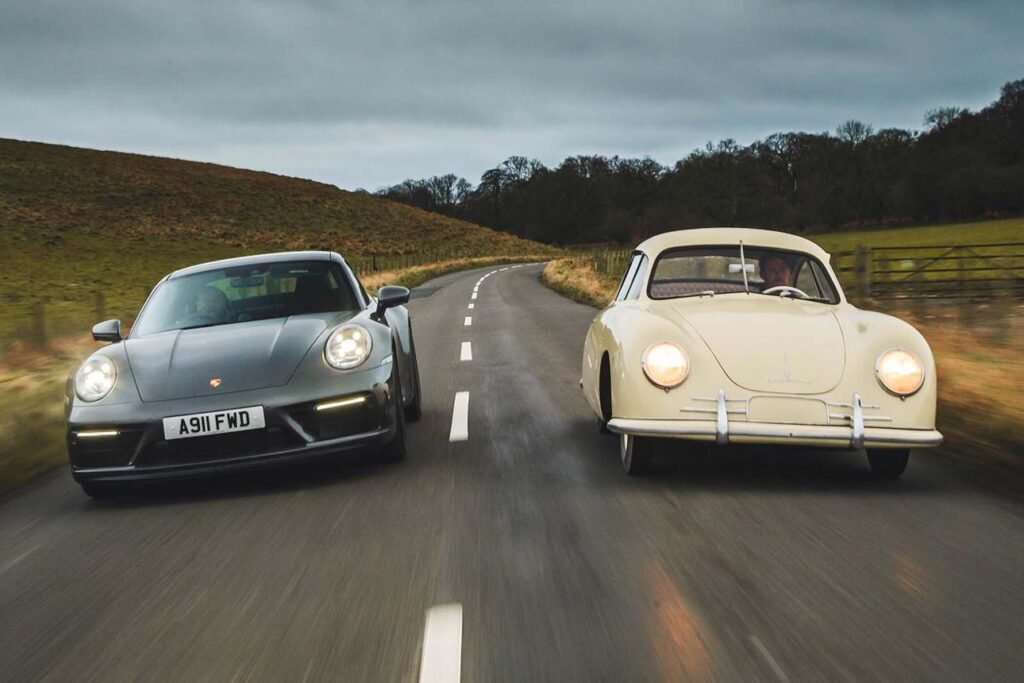
Porsche holds a distinctive position in the history of the global automotive industry. It is not simply a German manufacturer of luxury and sports cars; it is a brand closely associated with high performance, precision engineering, and designs that combine classic styling with advanced technology. Over several decades, the company has successfully established a clear identity that sets it apart from many competitors while maintaining its strong connection to motorsports and high-performance vehicles.
Since its early beginnings in the 1930s, Porsche has gone through several stages of development and expansion, starting with engineering designs and early projects before moving into the production of sports cars that have become some of the most recognized names in global markets, including the 911 and 718. The company has also expanded into the SUV and electric vehicle segments.
Despite the major changes that have reshaped the automotive industry, Porsche has never abandoned the core principles behind its reputation. Instead, it has continued refining them to meet the expectations of each generation. This raises an important question: How has Porsche managed to preserve its sporty identity across generations while keeping pace with technological transformations?
The Founding of Porsche: How It All Began
Porsche’s roots date back to 1931, when Austrian engineer Ferdinand Porsche established an engineering office in Stuttgart, Germany, under the name Dr. Ing. h.c. F. Porsche GmbH. Its primary activities involved providing engineering development and consulting services to automotive manufacturers.
During its early years, Porsche was not a car manufacturer producing vehicles under its own brand in the way it is known today. Instead, it participated in developing engineering projects, components, and vehicles for other companies and organizations before entering a new chapter focused on producing cars bearing its own name.
Following World War II, Ferry Porsche, the founder’s son, played a major role in developing the company. He began working on a sports car that would combine lightweight construction, practical performance, and distinctive styling.
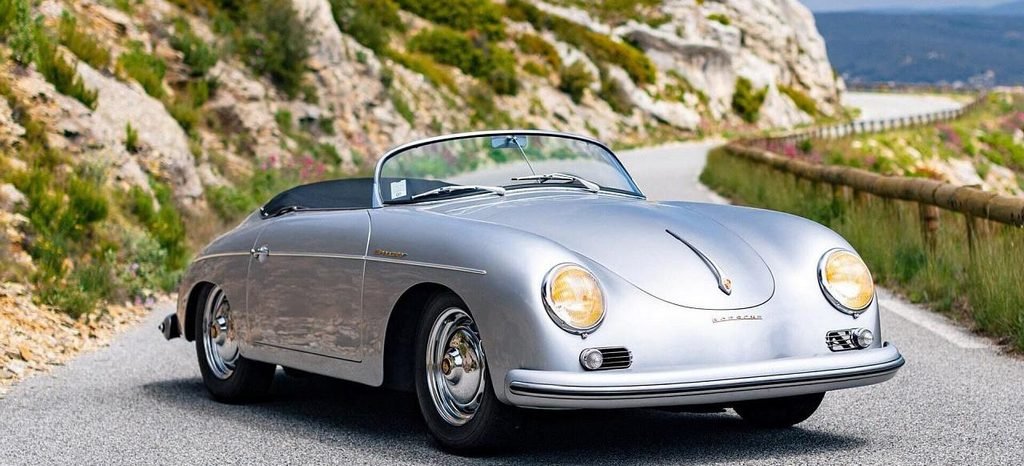
This effort resulted in the Porsche 356 in 1948, the first production car to carry the Porsche name, marking the company’s true starting point in the sports car industry.
Porsche 356: The Car That Established the Brand’s Sporting Identity
The Porsche 356 was more than just the company’s first production car. It represented the foundation of Porsche’s design philosophy for the decades that followed.
The car featured distinctive aerodynamic styling, a relatively lightweight body, and a rear-mounted engine, with a focus on delivering a driving experience that combined sporting performance with everyday usability.
The 356 helped introduce the public to Porsche’s character, particularly through its participation in motorsport events and racing activities, which strengthened the German brand’s reputation among performance enthusiasts.
The car also demonstrated that a sports car did not necessarily need an enormous engine or exaggerated styling to deliver an engaging driving experience. Instead, balanced engineering, appropriate weight, and careful component placement could make a significant difference.
Porsche 911: The Model That Became a Symbol of the Brand
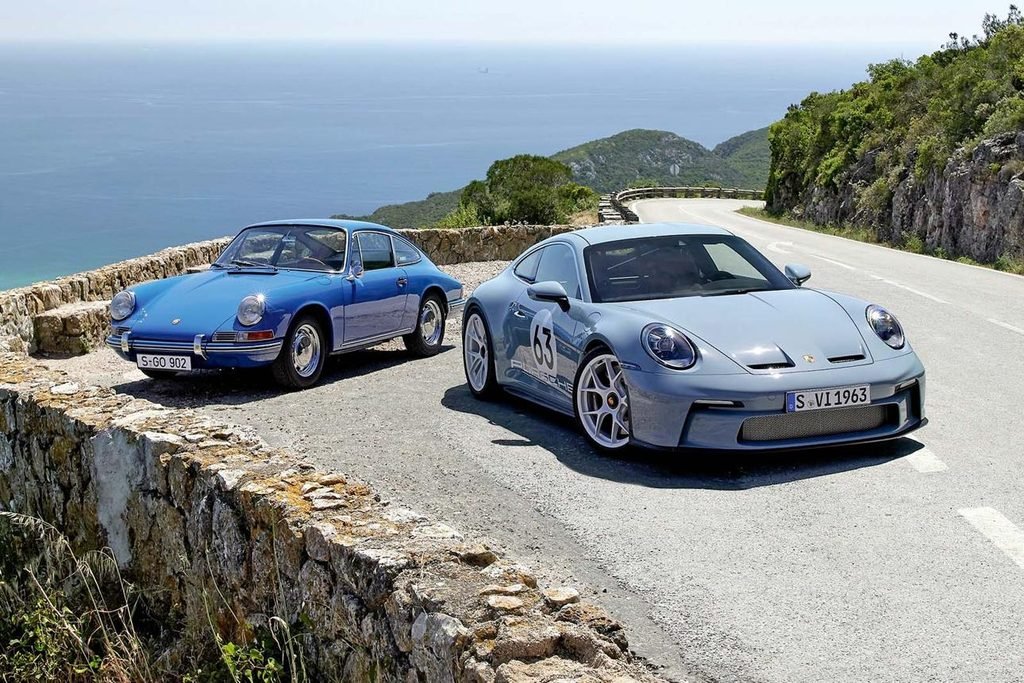
While the Porsche 356 laid the foundation, the Porsche 911 became the car that established the brand’s global reputation. It was first unveiled in 1963, before commercial production began in 1964.
The 911 featured distinctive coupe styling and a rear-mounted six-cylinder engine, an engineering configuration that became one of the model’s defining characteristics across its different generations.
Despite receiving major updates throughout its history, Porsche maintained several of its essential design elements, including its curved exterior lines, round headlights, distinctive rear styling, and engine positioned behind the rear axle.
Preserving these features was not simply a design decision. It was part of the company’s strategy to maintain the 911’s identity while continuously improving its performance and technical capabilities.
Over time, the car received more advanced engines, improved suspension and braking systems, and modern electronic technologies. Porsche also introduced different versions to meet a wide range of requirements, from everyday driving to track-focused performance.
The 911 became one of the world’s most important sports cars, not only because of its performance but also because of its ability to maintain a distinctive character despite major changes across the automotive industry.
Motorsport: How Racing Helped Build Porsche’s Reputation
Porsche has been closely connected to motorsport since its early years. Racing was not simply a promotional tool for the company; it became an important part of its engineering philosophy and technological development.
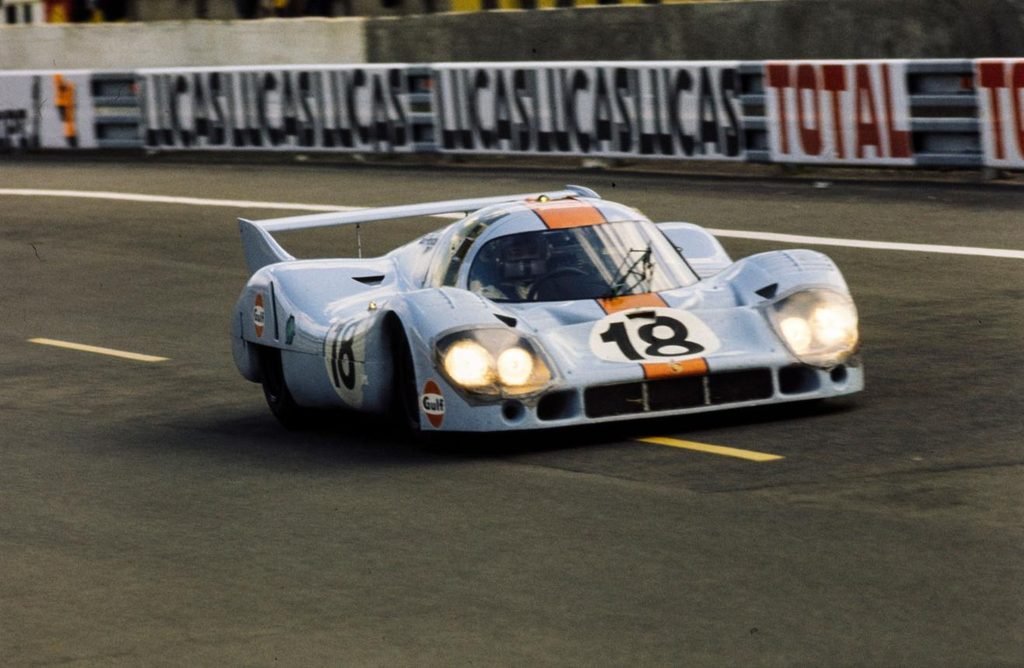
The company has participated in numerous international championships and racing events, achieving notable results in endurance racing, particularly at the 24 Hours of Le Mans. This event is considered one of the world’s most demanding tests of a car’s ability to combine speed and reliability.
One of the most famous vehicles in Porsche’s racing history is the Porsche 917, which achieved important victories in endurance racing and helped establish the company’s reputation as one of the leading names in the sports car world.
The company has also introduced track-focused models such as the 911 GT3 and 911 GT2, reflecting its expertise in developing engines, suspension systems, and aerodynamic technologies.
Porsche continues to apply the knowledge gained through motorsport to its production vehicles, whether by improving engine efficiency, developing braking systems, or enhancing stability and handling. This makes motorsport an enduring part of the German brand’s identity.
How Has Porsche Maintained Its Distinctive Design Across Generations?
Design is one of the most important factors that has helped Porsche preserve its identity across generations. Rather than completely changing the appearance of its cars with every new generation, the company has preferred to gradually refine its core design features.
This approach is particularly evident in the Porsche 911, which has retained its flowing lines, curved roofline, and round headlights while receiving continuous updates to its dimensions and exterior and interior details.
The company has also focused on combining classic design elements with modern technology by introducing digital displays, driver assistance systems, and advanced connectivity features without abandoning the sporty character that defines its interiors.
This approach is not limited to the 911. It is also reflected in other models, as Porsche seeks to create designs that represent its brand identity even when entering new vehicle segments or adopting different powertrain technologies.
Porsche’s Expansion: From Sports Cars to SUVs and Electric Vehicles
As global market demands changed, Porsche recognized that relying exclusively on traditional sports cars would not be sufficient to support its growth and expansion. The company therefore moved into new segments while maintaining its performance-oriented philosophy.
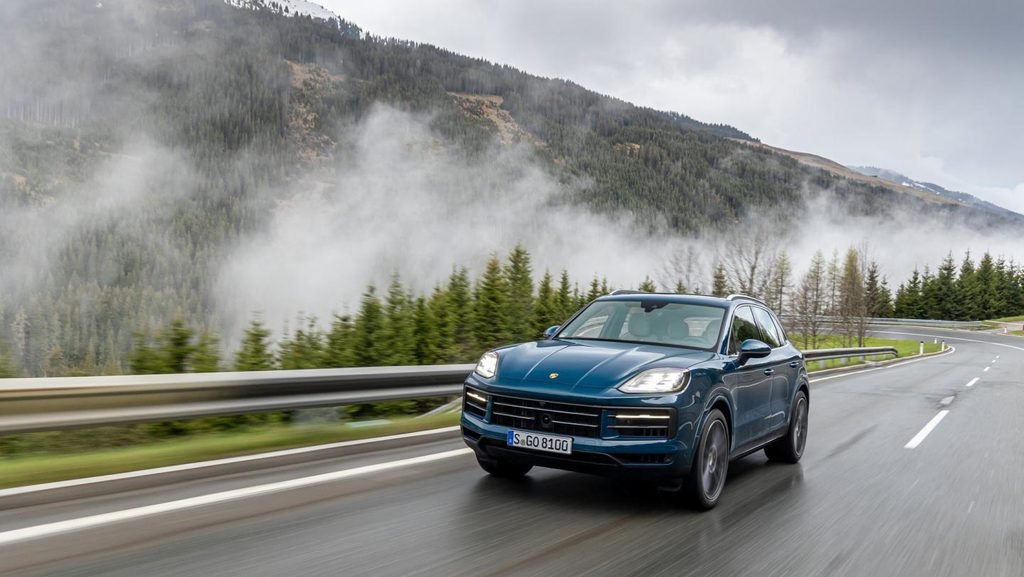
The launch of the Porsche Cayenne in 2002 was one of the most significant turning points in the company’s history. It marked Porsche’s entry into the sport utility vehicle (SUV) segment, a move that attracted considerable attention at the time, particularly because the brand had primarily been known for sports and coupe models.
Nevertheless, the Cayenne successfully combined sporty performance, comfort, and everyday practicality, becoming one of the most important models in the company’s lineup.
Porsche later introduced the Porsche Panamera in 2009, entering the luxury sports sedan segment and targeting customers seeking a combination of performance, interior space, and comfort.
The company also expanded into the compact luxury SUV segment through the Macan, offering a smaller alternative to the Cayenne.
These models demonstrated Porsche’s ability to expand its customer base without abandoning its core identity, as performance, handling, and driving dynamics remained central to its different vehicle segments.
Porsche and Electric Cars: Is Its Sporting Identity Changing?
As the global transition toward electric vehicles accelerated, Porsche entered a new phase of development. One of its most significant milestones was the introduction of the Porsche Taycan, the German brand’s first fully electric sports car, which entered commercial production in 2019.
The Taycan demonstrated that Porsche could deliver a sporty driving experience powered entirely by electricity, taking advantage of instant torque, strong acceleration, and advanced control systems.
The car’s significance went beyond introducing a new electric model. It represented a test of the company’s ability to transfer its engineering philosophy to a different generation of vehicles based on batteries, electric motors, and digital systems.
Porsche has also moved toward developing electric versions and advanced powertrain technologies as part of its long-term strategy, while continuing to invest in conventional and hybrid engines according to the requirements of different markets.
This approach reflects the company’s efforts to balance its sporting heritage with the technological and environmental transformations reshaping the automotive industry.
Technology and Engineering: The Secret Behind Porsche’s Continued Distinction
Porsche’s identity is not based solely on design or engine power. It also relies on a range of engineering solutions and technologies aimed at improving the driving experience.
Some of the main areas on which the company focuses include:
- Engine Development: Porsche continues to improve engine performance and efficiency across conventional, hybrid, and electric models.
- Suspension and Handling Systems: The company develops systems designed to improve stability and responsiveness through corners while maintaining appropriate comfort levels.
- Aerodynamics: Porsche vehicles feature carefully engineered designs that reduce air resistance and improve stability at higher speeds.
- Braking Systems: The company draws on its motorsport experience to develop braking systems capable of handling high-performance driving conditions.
- Digital Technology: Porsche provides infotainment, connectivity, and driver assistance systems designed to meet the requirements of modern vehicles.
By combining these elements, Porsche aims to produce vehicles that bring together sporting performance, technological advancement, and everyday practicality rather than focusing on just one aspect.
What Makes Porsche’s Strategy Different from Other Automakers?
Porsche’s strategy stands out because it focuses on developing an established identity rather than abandoning it with every new industry transformation.
While many automakers are rapidly changing their designs, platforms, and powertrain technologies, Porsche seeks to preserve a set of characteristics that connect its models to the brand’s sporting heritage while introducing the necessary updates to remain competitive.
This approach is evident in the continued importance of the 911, alongside the company’s expansion into SUVs, electric vehicles, and sports sedans.
Porsche also offers models with different performance levels and equipment packages, allowing it to target various customer segments without eliminating the sporty character that defines the brand.
This strategy gives the company an opportunity to combine its historical heritage with modern market requirements while continuing to develop its products in response to growing competition in the luxury and sports car sectors.
The Future of Porsche: Between Sporting Heritage and Technological Transformation
Porsche faces several challenges in the coming years as the automotive industry continues to evolve. These include the transition to electric mobility, stricter emissions standards, and increasing competition from luxury brands and Chinese manufacturers specializing in electric vehicles.
The company needs to develop its technologies and products to meet these changes while preserving the characteristics that have associated its name with sporting performance for decades.
The development of electric and hybrid powertrains, improvements in software, and the advancement of digital driving experiences are expected to remain important areas of focus, alongside continued attention to traditional sports cars.
Porsche’s main challenge will be finding ways to deliver more advanced and efficient vehicles without losing the sporty driving feel and engineering character that customers expect from the German brand.
Conclusion
Porsche has succeeded in building one of the most distinctive identities in the global automotive industry by combining iconic design, precision engineering, and a lasting connection to motorsport.From the Porsche 356 and 911 to the Cayenne and Taycan, the company has continuously developed its products and entered new vehicle segments without abandoning its core philosophy centered on performance and driving enjoyment.