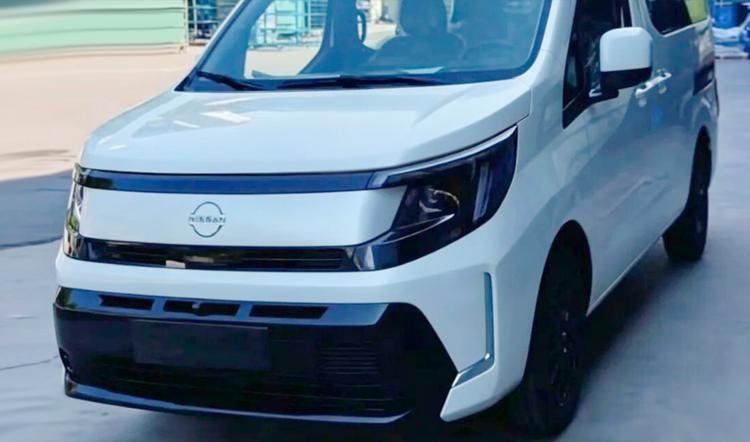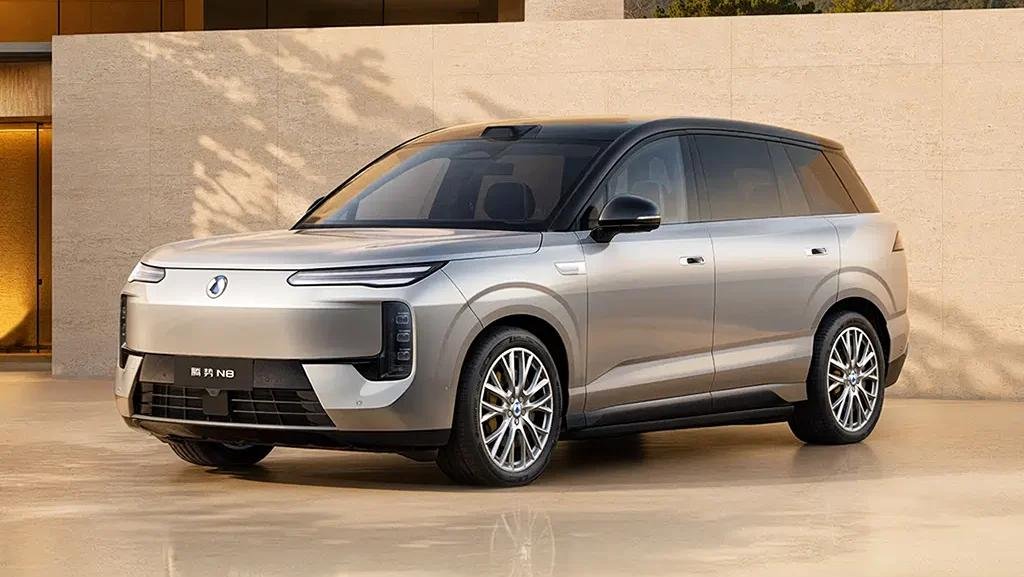
Competition in China’s automotive market is no longer determined solely by the strength of a brand name or the long-standing history of global automakers. Instead, it increasingly depends on how quickly companies can develop new vehicles, introduce smart technologies, and offer electric and hybrid powertrains at competitive prices. Against the backdrop of rapid changes in this market, Nissan is moving toward reshaping its commercial and industrial strategy in China, aiming to regain its competitive position against local brands that have become increasingly influential.
Nissan is seeking to move beyond its traditional model of introducing global vehicles into the Chinese market and shift toward a strategy that relies more heavily on local development, Chinese technology, and a deeper understanding of consumer needs. At the same time, the company aims to gradually transform China into a hub for vehicle development and exports to international markets.
This approach is not limited to introducing new models. Rather, it represents a broader transformation in the way the brand operates, from product design and development to manufacturing, marketing, and expansion beyond China.
Why Is Nissan Reshaping Its Strategy in China?
Nissan’s new direction comes at a time when Japanese and European automakers are facing growing pressure in China due to the rapid expansion of domestic brands, particularly BYD, Geely, NIO, and XPeng. These companies have successfully introduced electric and hybrid vehicles that combine advanced technology with competitive pricing.
Chinese automakers have become increasingly capable of responding to market changes, particularly in areas such as infotainment and connectivity systems, driver assistance technologies, software, and batteries. They have also managed to shorten the time required to develop new models.
In contrast, the historical reputation of global automotive brands is no longer sufficient to guarantee the preservation of their market share. This has pushed Nissan to reconsider how it manages its business in China and give the local market a greater role in determining the products and technologies customers need.
The company’s figures highlight the scale of the challenge. Nissan recorded sales of 23,658 vehicles in China in September 2026, representing a 61.6% year-over-year decline, according to the company’s official data. This downturn highlights the importance of moving faster to address intensifying competition.
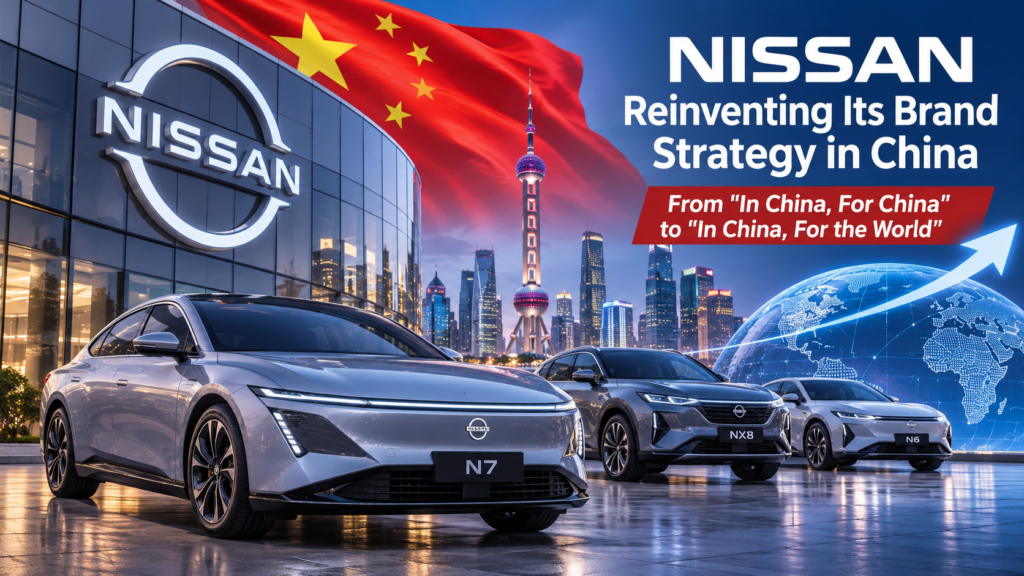
From “In China, For China” to “In China, For the World”
One of the most significant aspects of Nissan’s strategic transformation is its changing view of China’s role within its global business operations.
After adopting the “In China, For China” approach in 2024, which focused on developing vehicles tailored to the needs of Chinese consumers, the company moved in 2026 to expand this concept into “In China, For the World.”
This approach means that China is no longer simply a large market where Nissan aims to sell its vehicles. Instead, it is becoming a center for leveraging industrial and technological capabilities and developing products that can be introduced in other markets.
The strategy is built around several key priorities, including utilizing local supply chains, accelerating research and development, leveraging Chinese engineering expertise, and expanding export opportunities for vehicles manufactured locally.
Nissan is also working to strengthen its cooperation with its Chinese partner, Dongfeng, allowing both companies to benefit from their combined manufacturing and distribution capabilities and improve their ability to deliver competitive products in China and abroad.
Dongfeng Nissan: A Key Pillar of the New Transformation
The partnership between Nissan and Dongfeng Group represents one of the most important elements supporting the company’s new strategy in China.
Through their joint venture, Dongfeng Nissan, the two companies aim to increase their reliance on local development and introduce vehicles that meet the requirements of Chinese consumers, rather than simply adapting global models to suit the local market.
In November 2023, the partnership announced its DNA+ strategy, which included plans to launch 10 new energy vehicles in China by 2026, including four models carrying the Nissan brand.
The plan also included expanding exports of passenger vehicles manufactured in China, with an initial target of 100,000 vehicles annually under an export program scheduled to begin in 2025.
This cooperation represents a shift in the relationship between the Japanese automaker and its Chinese partner. Dongfeng’s role is no longer limited to manufacturing and distribution; it has become an essential part of product development, technology advancement, and responding to market changes.
Electric and Hybrid Vehicles at the Heart of Nissan’s New Identity
Nissan recognizes that the transition toward electric and hybrid vehicles has become a fundamental factor in competing in China. As a result, the company is expanding its New Energy Vehicle (NEV) lineup, which includes Battery Electric Vehicles (BEVs), Plug-in Hybrid Electric Vehicles (PHEVs), and Extended-Range Electric Vehicles (EREVs).
Some of the key models reflecting this direction include:
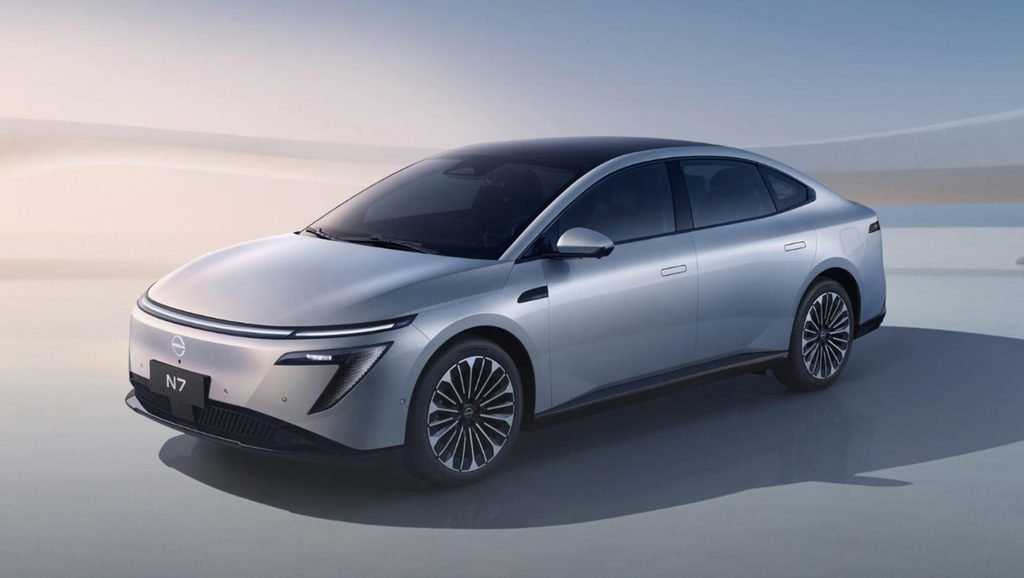
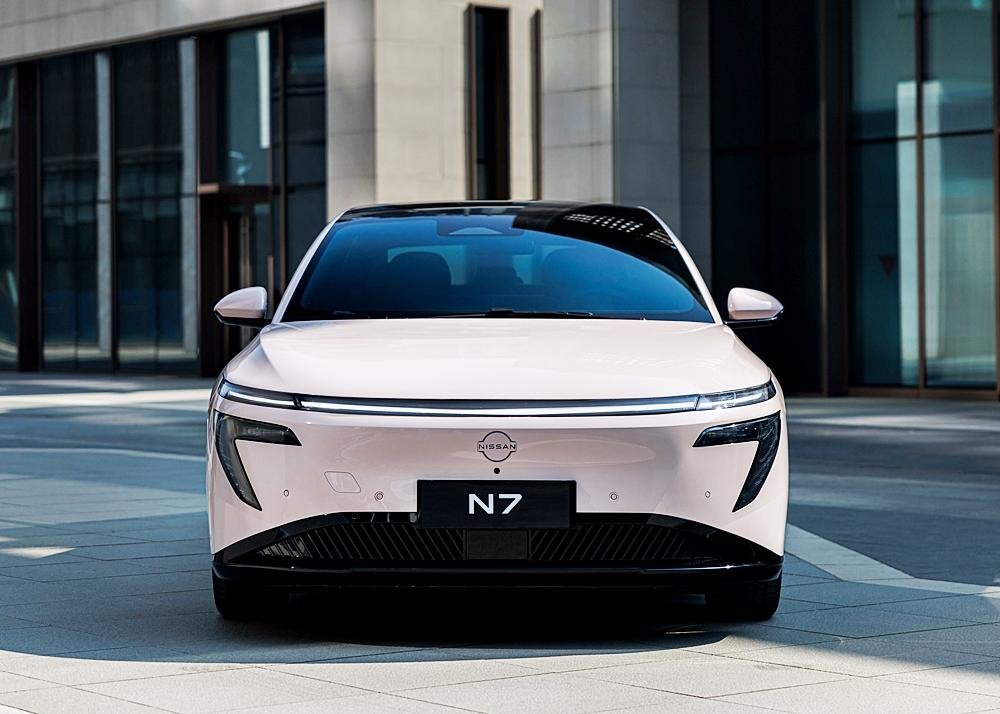
- Nissan N7: An electric sedan developed specifically for the Chinese market, reflecting the company’s focus on modern design, digital technologies, and equipment tailored to local customer expectations.
- Nissan N6: A plug-in hybrid sedan targeting customers who want to benefit from electric driving while retaining an internal combustion engine.
- Nissan NX8: An SUV offered in fully electric and extended-range electric versions, benefiting from an advanced local technology platform.
- Nissan NX7: A new SUV whose design was unveiled by Dongfeng Nissan in August 2026, expanding the company’s presence in the new energy SUV segment.
These models demonstrate that Nissan is no longer relying on conventional vehicles as the main focus of its Chinese lineup. Instead, it is working to build a more diversified range that reflects the shift toward electrification and changing customer preferences.
Furthermore, relying on locally developed platforms helps the company reduce manufacturing costs and accelerate product launches, two factors that have become increasingly important in a market characterized by intense price and technology competition.
Chinese Technology and Faster Development: Nissan’s New Bet
One of the most important changes in Nissan’s strategy is its increased reliance on local expertise and technology. Chinese consumers have become increasingly interested in the digital experience inside their vehicles, rather than focusing exclusively on mechanical performance or manufacturing quality.
The company’s new development priorities include improving infotainment systems, offering more advanced digital displays, enhancing smartphone connectivity, and developing driver assistance and intelligent driving technologies.
Nissan is also seeking to benefit from Chinese suppliers and technology companies, allowing it to deliver solutions that match local customer expectations without relying entirely on traditional global development cycles.
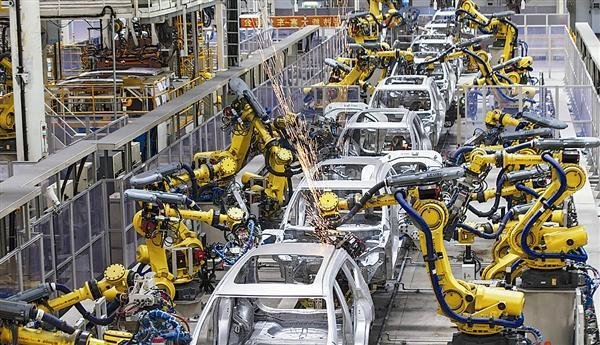
This comes alongside a broader effort by Nissan to accelerate vehicle development, improve manufacturing efficiency, and reduce costs, enabling it to compete with companies that have become capable of launching new models and technological updates at a faster pace.
The GLOCAL Strategy: Combining Global Expertise with Local Development
One of the key concepts emerging from Nissan’s transformation in China is the GLOCAL strategy, an approach that combines the company’s global expertise with the advantages of local capabilities.
The idea is to give teams operating in China greater authority to make decisions related to product and technology development, while benefiting from Nissan’s engineering experience and global quality and safety standards.
The importance of this approach lies in the fact that Chinese consumer needs differ in several respects from those of customers in Japan, Europe, or the Middle East. There is particularly strong interest in digital connectivity, driver assistance systems, interior space, and advanced technological features.
Accordingly, developing vehicles in China based on these requirements gives Nissan an opportunity to introduce products that are better suited to the local market, while also creating the potential to use them in other markets.
This strategy reflects a shift in the company’s management philosophy, moving away from centralized decision-making toward giving strategically important markets a greater role in determining development priorities.
How Is Nissan Using China to Expand into Global Markets?
Nissan’s new strategy is not aimed solely at restoring its competitiveness in China. The company also wants to transform the market into a launching point for international expansion.
The automaker is benefiting from China’s advanced battery and electronic component supply chains, as well as its manufacturing and production capabilities, to develop vehicles that can be exported to different regions.
Cooperation with Dongfeng also provides an opportunity to benefit from an extensive industrial and commercial network while reducing some of the costs associated with developing and manufacturing vehicles across multiple markets.
This approach gives Nissan an opportunity to introduce electric and hybrid models at more competitive prices in markets where demand for these vehicle categories is increasing.
However, the success of its international expansion will depend on the company’s ability to adapt its vehicles to the requirements of each market. These include safety and emissions regulations, charging infrastructure, consumer preferences, and after-sales services.
Therefore, the “In China, For the World” concept can be viewed as a transformation in China’s strategic role within Nissan’s global operations, rather than simply a change in the brand’s marketing message.
Can Nissan Regain Its Position Against Chinese Automakers?
Despite the clear direction of its new strategy, restoring Nissan’s position in China will not be an easy task, particularly as competition continues to intensify from domestic brands with advanced electric vehicle expertise and the ability to introduce frequent updates at competitive prices.
The company faces several challenges, most notably the need to accelerate product development, improve its pricing competitiveness, deliver a digital experience that meets customer expectations, and rebuild consumer confidence amid declining sales.
The success of new vehicles also depends on more than specifications alone. It is closely linked to brand strength, the availability of maintenance services, dealership networks, and resale value.
On the other hand, Nissan has several advantages that could support the implementation of its plan, including its extensive experience in the automotive industry, its strong partnership with Dongfeng, and its ability to leverage international markets to expand the reach of vehicles developed in China.
Conclusion
Nissan’s efforts to reshape its strategy in China reflect a significant shift in how the company views its future in one of the world’s largest and most competitive electric vehicle markets.Rather than relying primarily on its global reputation and traditional products, Nissan is moving toward strengthening local development, leveraging Chinese technology, expanding its New Energy Vehicle lineup, and transforming China into a manufacturing and export hub.Nevertheless, the real test of this strategy will depend on Nissan’s ability to turn its plans into actual sales and introduce vehicles capable of competing with local brands in terms of pricing, technology, and development speed, without compromising the manufacturing quality and brand identity it has built over many years.