Fuel consumption has become a major concern for many car owners, especially those who rely on their vehicles for daily commuting, traveling between different areas, and taking long-distance trips. However, the cost of running a car is not determined by fuel prices alone. It is also affected by driving habits, engine condition, tire pressure, vehicle load, road conditions, and other factors that influence overall driving efficiency.
This is why understanding how to reduce your car’s fuel consumption is important. You can improve fuel efficiency without compromising your vehicle’s performance or putting unnecessary strain on the engine. Several simple habits can help you use fuel more efficiently, including avoiding sudden acceleration, maintaining appropriate speeds, checking tire pressure, and following a regular maintenance schedule.
Reducing fuel consumption does not necessarily require expensive modifications or upgrades. In many cases, higher fuel consumption is caused by driving habits or neglecting small maintenance details that may seem insignificant but can affect vehicle efficiency over time.
In this article, we explore the most effective ways to reduce your car’s fuel consumption, the factors that increase fuel usage, and how to identify potential problems that may cause your vehicle to consume more fuel than usual.
Why Does a Car Consume More Fuel?
Before exploring ways to save fuel, it is important to understand the reasons behind increased fuel consumption. Identifying the actual cause can help you find a more effective solution instead of relying on temporary fixes.
Several factors can contribute to higher fuel consumption, including:
- Aggressive driving: Sudden acceleration, pressing the accelerator too hard, and frequent braking can cause the engine to consume more fuel.
- Low tire pressure: When tire pressure falls below the recommended level, rolling resistance increases, forcing the engine to work harder.
- Neglecting regular maintenance: Dirty filters, worn-out spark plugs, and using the wrong engine oil can reduce engine efficiency.
- Excessive vehicle weight: Carrying unnecessary items increases the load on the engine, particularly during acceleration and uphill driving.
- Driving at high speeds: Air resistance increases as speed rises, requiring more energy to keep the vehicle moving.
- Leaving the engine running while parked: The engine continues consuming fuel even when the vehicle is stationary.
- Engine or fuel system problems: Faulty sensors or issues with the fuel injection system may result in unusually high fuel consumption.
It is also important to remember that fuel economy varies from one vehicle to another depending on engine size, transmission type, weight, design, and driving conditions. Therefore, you should compare your car’s fuel consumption with the expected figures for its specific model and usage conditions.
How to Reduce Your Car’s Fuel Consumption: Practical Tips
You can improve fuel efficiency by changing a few daily driving habits and maintaining your vehicle’s mechanical condition. Here are some of the most effective steps to help you save fuel and reduce running costs.
Avoid Sudden Acceleration and Aggressive Driving
The way you press the accelerator is one of the most important factors affecting fuel consumption. Rapid acceleration forces the engine to use more fuel to reach the desired speed within a short period.
Instead of pressing the accelerator hard immediately after starting, try to increase your speed gradually and smoothly. This is particularly important when moving away from traffic lights or starting again after stopping in heavy traffic.
You should also avoid repeatedly switching between hard acceleration and sudden braking. This driving style wastes some of the energy already used to bring the vehicle up to speed.
If you are looking for an effective way to reduce your car’s fuel consumption, improving your driving habits is one of the easiest steps you can take without spending additional money.
Maintain a Consistent Speed Whenever Possible
Driving at a steady speed can improve fuel efficiency, particularly on highways where traffic conditions allow you to travel without frequent stops.
When you constantly change your speed, the engine has to work harder to accelerate again, which can increase fuel consumption.
Try to choose a suitable speed for the road and maintain it whenever possible. Avoid unnecessary acceleration and repeatedly overtaking other vehicles.
Cruise control can also be useful on straight highways when road conditions are suitable. However, it should not be relied upon in heavy traffic, on winding roads, or during rain and other unstable driving conditions.
Check Your Tire Pressure Regularly
Some drivers overlook the impact of tire pressure on fuel consumption, even though underinflated tires increase rolling resistance and force the engine to use more energy to move the vehicle.
Make sure to check your tire pressure regularly. It is best to measure it when the tires are cold to obtain an accurate reading.
You can find the recommended pressure on the label attached to the driver’s door frame or in your owner’s manual. Do not assume that the pressure printed on the tire’s sidewall is the recommended pressure for your vehicle.
You should also inspect the spare tire and make sure it is in good condition and properly inflated. In addition, pay attention to uneven tire wear, as it may indicate problems with wheel alignment or the suspension system.
Avoid inflating your tires beyond the manufacturer’s recommended pressure in an attempt to save fuel, as this may negatively affect handling, grip, and driving comfort.
Follow a Regular Engine Maintenance Schedule
Regular maintenance plays an important role in keeping the engine efficient and reducing fuel consumption. Certain components need cleaning or replacement after a period of use.
Some of the most important components to monitor include:
- Air filter: It cleans the air entering the engine. It should be inspected and replaced according to the manufacturer’s maintenance schedule or whenever dirt buildup begins to restrict airflow.
- Spark plugs: These components ignite the air-fuel mixture inside the engine. Worn or damaged spark plugs may cause poor performance and increased fuel consumption.
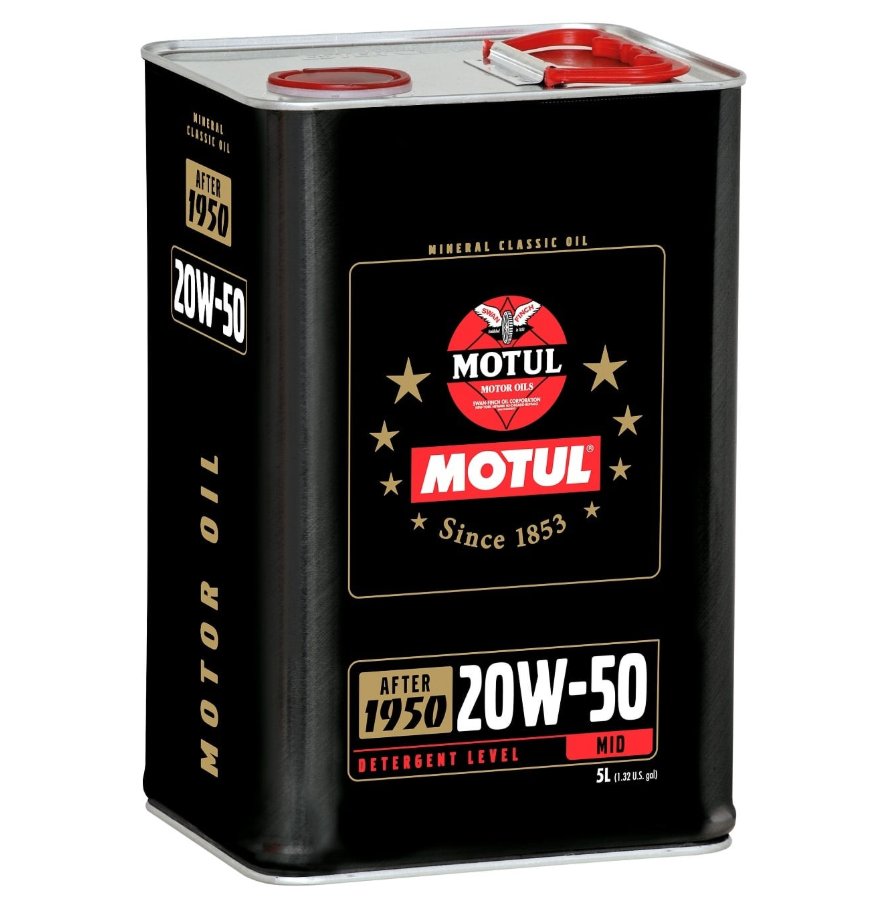
- Engine oil: Always use the oil type and viscosity recommended by the vehicle manufacturer, and follow the specified oil change intervals.
- Fuel filters: For vehicles equipped with replaceable fuel filters, follow the recommended replacement schedule.
- Engine sensors: Sensors help regulate engine operation and fuel injection. Faulty readings may affect performance and fuel efficiency.
Remove Unnecessary Weight from Your Car
The heavier a vehicle becomes, the more effort the engine needs to move it, especially when accelerating, starting from a stop, or driving uphill.
Check your trunk and cabin regularly, and remove tools, bags, and other belongings that you do not need for everyday driving.
Although individual items may not seem particularly heavy, their combined weight can increase the load on your vehicle, especially when you drive around the city every day.
Avoid carrying heavy objects unnecessarily and always respect the maximum load capacity specified by the manufacturer.
Avoid Leaving the Engine Running While Parked
One habit that wastes fuel without providing any driving benefit is leaving the engine running for extended periods while waiting.
If you are parked outside a store or waiting for someone for a long time with the engine running, your vehicle continues to consume fuel even though it is not covering any distance
If you expect to stop for an extended period and switching off the engine is safe and consistent with your vehicle’s instructions, turning it off is generally a better option.
For short stops or situations involving traffic congestion, follow the manufacturer’s recommendations and avoid repeatedly switching the engine on and off without a clear reason.
It is worth noting that some modern vehicles feature an automatic engine Start-Stop system designed to help reduce fuel consumption during stops. You can use this feature according to your vehicle’s design and driving conditions.
Use the Air Conditioning System Wisely
Using the air conditioning system can affect fuel consumption in many vehicles powered by internal combustion engines because the AC compressor requires additional energy from the engine.
However, this does not mean you should avoid using air conditioning altogether, especially during summer or when cabin temperatures become uncomfortable.
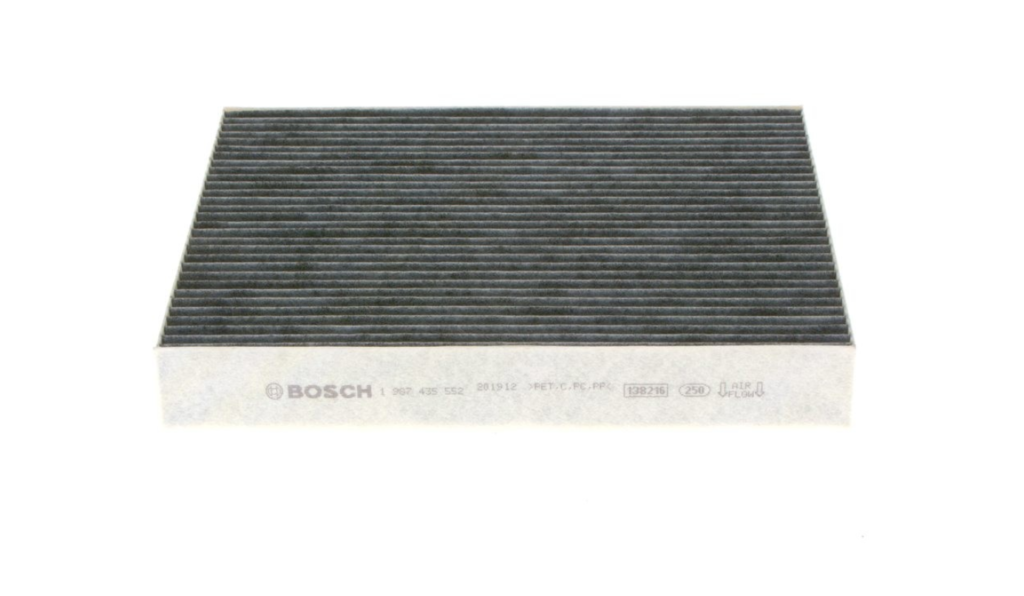
You can reduce its impact on fuel consumption by setting the temperature to a comfortable level rather than cooling the cabin excessively. Regularly clean the cabin air filter and make sure the system is operating efficiently.
It may also help to ventilate the cabin briefly before switching on the AC if the vehicle has become extremely hot after being parked in direct sunlight.
At the same time, avoid keeping the windows open for extended periods while driving at high speeds, as this increases aerodynamic drag.
Plan Your Trips and Avoid Heavy Traffic Whenever Possible
Your choice of route and departure time can affect how much fuel your vehicle consumes. Driving through heavy traffic with repeated stops and starts often puts the engine in less efficient operating conditions than steady driving.
Before setting off, check traffic conditions and choose a suitable route that minimizes waiting times and unnecessary stops whenever possible.
It is also a good idea to combine several errands into one trip instead of starting the engine multiple times throughout the day to visit nearby locations.
When planning your journey, remember that the shortest route is not always the most fuel-efficient. A slightly longer but less congested route may save both time and fuel.
Avoid Driving at Excessively High Speeds
One important factor to consider when learning how to reduce your car’s fuel consumption is driving speed. Air resistance increases as the vehicle travels faster.
At high speeds, the engine requires more power to overcome aerodynamic drag and maintain movement, which can lead to a noticeable increase in fuel consumption.
Therefore, follow the legal speed limits and adjust your speed according to road conditions. Avoid racing or constantly increasing your speed simply to reach your destination sooner.
Driving at a moderate speed not only helps save fuel but also gives you more time to react to unexpected situations, improving safety for you and other road users.
Use Your Transmission Correctly
The best way to save fuel depends partly on the type of transmission installed in your vehicle, whether manual or automatic.
In vehicles with manual transmissions, avoid allowing engine RPM to rise excessively before shifting gears. Select the appropriate gear for your speed and road conditions according to the manufacturer’s recommendations.
In automatic vehicles, smooth acceleration is generally preferable. Allow the transmission to select the appropriate gear and avoid pressing the accelerator aggressively without a good reason.
You should not shift into neutral while driving downhill to save fuel. Doing so may reduce vehicle control and prevent you from benefiting from engine braking.
Avoid External Accessories That Increase Air Resistance
Some external accessories can affect a vehicle’s aerodynamics, particularly when driving on highways.
Roof racks, external storage boxes, and large accessories may increase aerodynamic drag, forcing the engine to use more energy to keep the vehicle moving.
If you no longer need a roof rack or storage box, consider removing it after use. Choose approved accessories that are compatible with your vehicle’s design.
Keeping the windows closed at higher speeds can also help maintain better airflow around the vehicle.
Avoid Long Engine Warm-Up Periods Before Driving
Some drivers believe that leaving the car running for several minutes before driving always protects the engine and reduces fuel consumption. However, this is generally unnecessary for most modern vehicles.
Modern engines equipped with electronic fuel injection usually do not require a long warm-up period while stationary. You can normally begin driving shortly after starting the engine, provided you drive gently and avoid heavy loads or aggressive acceleration until the engine reaches its normal operating temperature.
However, always consult your owner’s manual for the manufacturer’s recommendations, particularly in extremely cold weather or with certain engine types.
How Does Your Car’s Condition Affect Fuel Consumption?
Fuel efficiency does not depend on driving habits alone. It is also closely related to the mechanical condition of several vehicle systems and components.
The Role of the Air Filter in Engine Efficiency
The air filter prevents dust and other contaminants from entering the engine. If it becomes clogged, it may restrict airflow and affect vehicle performance.
In modern vehicles, the engine control unit adjusts fuel delivery based on readings from several sensors. Therefore, a dirty air filter does not necessarily increase fuel consumption in every situation. However, it may affect performance and should be inspected or replaced when necessary.
How the Oxygen Sensor Affects Fuel Consumption
The oxygen sensor is an important part of the engine management system. It measures the amount of oxygen in the exhaust gases, allowing the engine control unit to adjust the air-fuel mixture.
If the sensor becomes damaged or sends inaccurate readings, the engine may not operate efficiently. This can lead to increased fuel consumption or cause the Check Engine warning light to appear.
The Fuel Injection System
The fuel injection system delivers the appropriate amount of gasoline to the engine according to its operating conditions.
Problems involving fuel injectors, fuel pressure, or other system components may interfere with the combustion process, affecting both engine performance and fuel consumption.
If you notice a sudden increase in fuel usage, poor acceleration, or difficulty starting the engine, it is best to have the fuel system inspected by a qualified technician.
Wheel Alignment
Incorrect wheel alignment can increase resistance while driving and cause uneven tire wear.
Common warning signs include the vehicle pulling to one side while traveling on a straight road or uneven wear patterns across the tires.
Proper wheel alignment does more than help improve fuel efficiency. It also contributes to longer tire life and better vehicle stability.
How Can You Tell If Your Car Is Consuming More Fuel Than Normal?
Before looking for ways to reduce fuel consumption, you should determine whether your vehicle is actually using more fuel than expected.
You can monitor fuel economy through the trip computer if your vehicle offers this feature. Alternatively, you can calculate it manually by tracking the amount of fuel used and the distance traveled.
Some signs of unusually high fuel consumption include:
Having to refuel more frequently despite driving approximately the same daily distances.
Covering fewer kilometers with the same amount of gasoline.
Noticing an unusual gasoline smell around the vehicle.
Experiencing weak acceleration or reduced engine performance.
Seeing the Check Engine warning light on the dashboard.
Observing a noticeable change in fuel consumption without changing your driving habits or usage conditions.
However, one sign alone is not enough to confirm a mechanical problem. Fuel consumption can also change because of traffic congestion, air conditioning use, temperature differences, or additional vehicle weight.
How to Calculate Your Car’s Fuel Consumption
You can calculate your vehicle’s fuel consumption using a simple method that helps you monitor its performance and identify unusual changes.
The process involves recording the amount of gasoline added to the tank and the distance traveled afterward.
For example, if your car uses 40 liters of gasoline to cover 500 kilometers, the fuel consumption rate is:
40 ÷ 500 × 100 = 8 liters per 100 kilometers.
You can also calculate how many kilometers your car travels per liter by dividing the distance by the amount of fuel used:
500 ÷ 40 = 12.5 kilometers per liter.
For more accurate results, use the same measurement method each time and record the figures over several refueling sessions instead of relying on a single reading.
For more accurate results, use the same measurement method each time and record the figures over several refueling sessions instead of relying on a single reading.
Do Fuel Additives Help Reduce Gasoline Consumption?
Various products are available on the market that are advertised as fuel economy enhancers or fuel system cleaners. However, you should not assume that all these products provide actual fuel savings.
Some additives may be suitable for specific engine types or help address certain deposits. However, they may not be necessary for a vehicle that is operating normally and receiving regular maintenance.
Before using any product, check your owner’s manual and make sure the additive is compatible with your engine and fuel system. Avoid unapproved products or additives with ingredients that lack reliable information.
If your vehicle is consuming more fuel than usual, identifying the actual mechanical cause is a better approach than relying on additives as a universal solution.
Common Mistakes That Increase Fuel Consumption Without You Noticing
Even drivers who follow a regular maintenance schedule may have everyday habits that increase fuel consumption without realizing it.
Some of the most common mistakes include:
- Pressing the accelerator too hard when starting to move.
- Using the brakes frequently because of poor anticipation of traffic conditions.
- Leaving the engine running for extended periods while waiting.
- Neglecting regular tire pressure checks.
- Carrying unnecessary items inside the vehicle.
- Driving at excessively high speeds without a real need.
- Leaving roof racks and storage boxes installed after use.
- Delaying maintenance despite noticeable signs of reduced engine performance.
- Choosing congested routes when smoother alternatives are available.
- Using engine oil that does not meet the manufacturer’s specifications.
Correcting these habits can help improve fuel efficiency without requiring major modifications to your vehicle.
Do Fuel-Saving Methods Differ Depending on the Type of Car?
Yes. Some fuel-saving techniques vary depending on engine type, transmission, and vehicle design. Therefore, it is important to consider your car’s specifications when applying these recommendations.
Cars with Automatic Transmissions
For automatic vehicles, avoid sudden acceleration and frequent switching between the accelerator and brake pedals. Maintaining a steady speed whenever possible can help improve fuel efficiency.
You should also follow the recommended transmission maintenance schedule and use the correct transmission fluid specified by the manufacturer.
Cars with Manual Transmissions
You can improve fuel efficiency by selecting the appropriate gear for your speed, shifting smoothly, and avoiding unnecessarily high engine RPM.
Cars with Turbocharged Engines
Vehicles equipped with turbocharged engines require driving habits and maintenance practices that follow the manufacturer’s recommendations.
Repeated aggressive acceleration may increase fuel consumption. Therefore, use the engine’s additional power when necessary and follow the recommended maintenance and engine oil schedules.
Hybrid Cars
Hybrid vehicles combine an internal combustion engine with an electric motor. They can improve fuel efficiency by using regenerative braking systems to recover energy during deceleration and by supporting smoother driving.
The way these systems operate varies from one model to another. Therefore, it is useful to understand your vehicle’s available driving modes and select the most appropriate settings for road conditions.
Conclusion
Understanding how to reduce your car’s fuel consumption does not depend on a single technique or quick fix. Instead, it requires combining smooth driving habits with regular maintenance, proper tire pressure, reduced vehicle weight, and avoiding unnecessary engine idling.
You should also pay attention to any sudden changes in fuel consumption, as they may indicate a problem with the engine, fuel injection system, or one of the vehicle’s sensors.
By following these practical recommendations, you can improve fuel efficiency, reduce running costs, and maintain your vehicle’s performance over time.
Frequently Asked Questions
What Is the Best Way to Reduce Fuel Consumption in a Car?
Some of the most effective ways include avoiding sudden acceleration and braking, maintaining a suitable and consistent speed, checking tire pressure regularly, following a proper maintenance schedule, and removing unnecessary weight from the vehicle.
Does Tire Pressure Affect Gasoline Consumption?
Yes. Low tire pressure increases rolling resistance, forcing the engine to use more energy to move the vehicle. This can result in higher fuel consumption. Therefore, you should always maintain the tire pressure recommended by the vehicle manufacturer.
Does Using the Air Conditioning Increase Fuel Consumption?
In vehicles powered by internal combustion engines, using the air conditioning system may increase fuel consumption because the AC compressor requires additional engine power. The extent of this effect varies depending on the vehicle, driving conditions, and outside temperature.