With the rising costs of car ownership and fluctuating fuel prices, fuel consumption has become one of the most important factors people consider when buying a new or used car. Choosing a vehicle is no longer just about exterior design, engine power, or available features. Buyers are increasingly looking for a car that offers a good balance between performance and affordable running costs.
A fuel-efficient car can help you reduce your daily expenses, especially if you use it regularly to commute to work, travel between cities, or drive through congested urban areas. However, choosing the right vehicle involves more than simply checking its advertised fuel consumption figures. Other factors also affect real-world efficiency, including engine capacity, vehicle weight, transmission type, and the technologies used in the powertrain.
Fuel consumption figures can also vary between official manufacturer claims and the results achieved under real driving conditions. This is due to differences in driving habits, traffic conditions, road types, and vehicle maintenance.
In this article, we explore seven essential factors that can help you choose a fuel-efficient car, explain how to compare different models, and show you how to estimate fuel costs before making a purchase.
How Do You Choose a Fuel-Efficient Car?
Choosing a fuel-efficient vehicle requires evaluating several technical specifications and ownership costs rather than simply opting for a car with a small engine or a low purchase price.
It is best to start by identifying your daily driving needs and estimating how many kilometers you cover. Consider whether you mainly drive in urban areas or on highways, then compare vehicles that suit your requirements in terms of fuel consumption, performance, and maintenance costs.
7 Factors to Check Before Buying a Fuel-Efficient Car
Official Fuel Consumption Figures
Fuel consumption is the starting point when comparing vehicles. Therefore, make sure to review the official figures for each model before purchasing. Fuel efficiency is usually measured by the number of liters required to cover 100 kilometers, or by the number of kilometers a car can travel on one liter of fuel.
The fewer liters a vehicle needs to cover the same distance, the more fuel-efficient it is.
However, you should not rely exclusively on the advertised figures, as laboratory test results may differ from actual fuel consumption during everyday driving. It is advisable to look for owner experiences and independent car reviews, and compare fuel consumption in both city and highway conditions.
Engine Capacity and Number of Cylinders
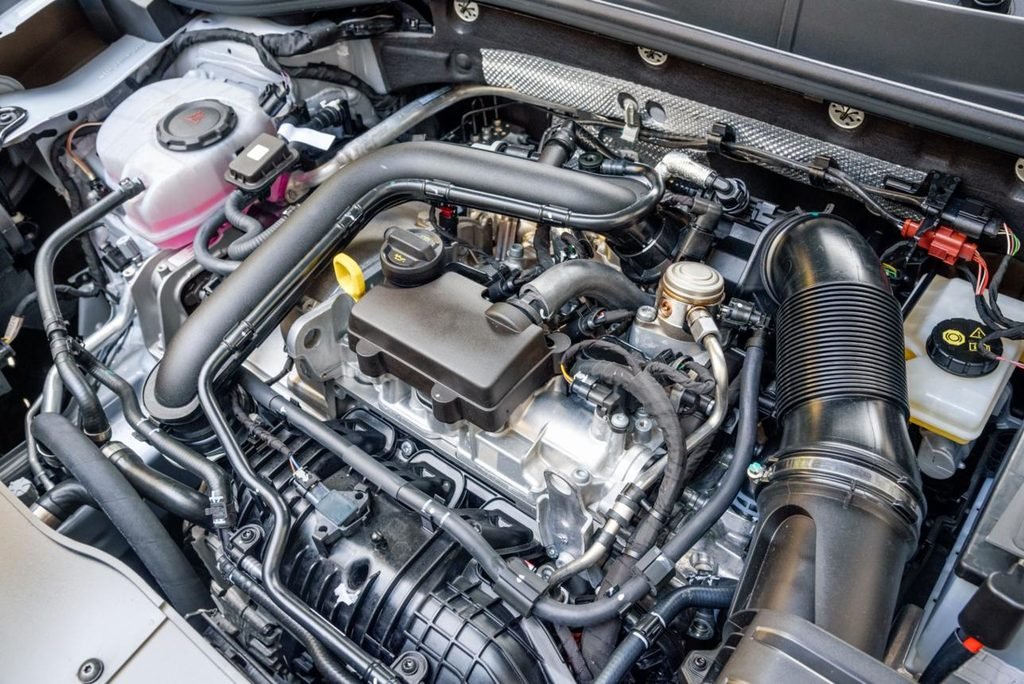
Engine capacity plays an important role in determining how much fuel a vehicle needs. Some smaller engines tend to consume less fuel than larger ones, particularly when driving smoothly at moderate speeds.
The market offers vehicles equipped with three-cylinder engines with capacities of 1.0 or 1.2 liters, as well as four-cylinder engines with different capacities. These options may suit buyers looking for an economical car for everyday use.
However, a smaller engine does not necessarily guarantee lower fuel consumption in every situation. A small engine may have to work harder when the car is carrying several passengers or traveling uphill, which can increase fuel consumption.
Therefore, choose an engine that offers the right balance between capacity, power, and your actual driving needs. Do not make engine size your only consideration when buying a car.
Transmission Type and Efficiency
The transmission directly affects how power is transferred from the engine to the wheels, which means its performance can influence fuel consumption.
Transmission efficiency varies depending on the design and technology used. Some of the most common types include:
- Traditional automatic transmission: Offers convenient driving, while fuel efficiency varies according to the number of gears and the transmission’s design.
- CVT transmission: Uses continuously variable gear ratios and helps keep engine speeds within suitable ranges, which may contribute to lower fuel consumption.
- Dual-Clutch Transmission (DCT): Provides quick gear changes and can deliver good efficiency in certain vehicles, although performance and fuel consumption depend on its design and software calibration.
- Manual transmission: Gives drivers greater control over gear selection and can be economical when used correctly.
When comparing vehicles, do not focus only on the transmission name. Check real-world fuel consumption, maintenance costs, and whether the transmission suits the roads and driving conditions you regularly encounter.
Vehicle Weight and Size
Vehicle weight has a noticeable impact on the amount of energy required to move a car. The heavier the vehicle, the more power it needs, particularly when accelerating or repeatedly starting and stopping in city traffic.
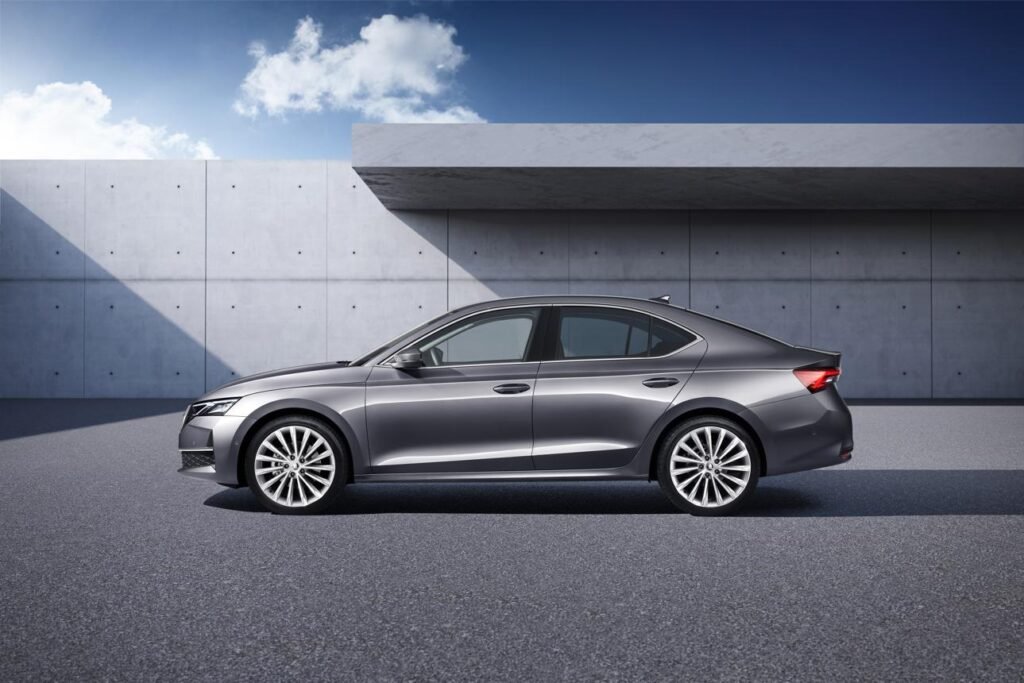
For this reason, small sedans and hatchbacks may be more fuel-efficient than large SUVs when comparing models with similar technologies and operating conditions.
Exterior design also plays an important role, as aerodynamic drag affects efficiency, particularly at higher speeds on highways.
If you mainly use your car for daily commuting alone or with a small number of passengers, a compact and lightweight vehicle may be more suitable than buying a large car whose capabilities you rarely need.
However, if you require a spacious interior or regularly transport your family, look for a family car that offers a reasonable balance between size and fuel consumption.
Choosing the Right Powertrain: Petrol, Hybrid, or Diesel?
One important decision before buying a car is choosing the powertrain that best suits your needs, particularly as hybrid vehicles combining petrol engines and electric motors become increasingly common.
The main options include:
- Petrol cars: Available in a wide range of models suitable for everyday use. Their efficiency depends on engine capacity, vehicle weight, transmission type, and fuel-saving technologies.
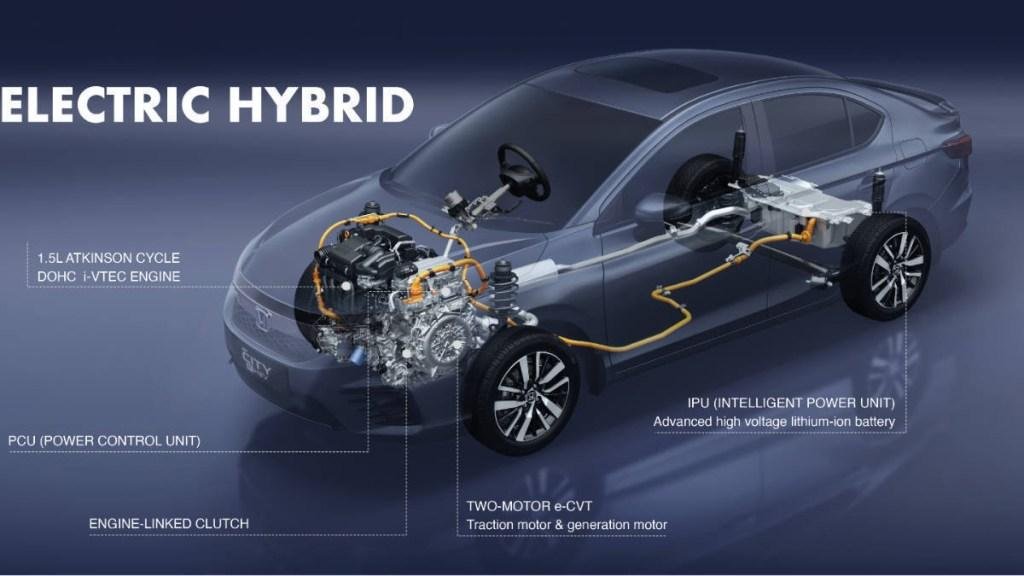
- Hybrid Electric Vehicles (HEVs): Combine a petrol engine, an electric motor, and a battery. They use electric power under certain driving conditions, helping reduce petrol consumption, especially in traffic and during frequent stops.
- Plug-in Hybrid Electric Vehicles (PHEVs): Feature a larger battery that can be charged using an external power source. They can cover certain distances using electric power alone before relying more heavily on the petrol engine, depending on the battery charge level and driving conditions.
- Diesel cars: Some diesel engines offer good fuel efficiency, particularly over long distances. However, their availability, maintenance costs, and suitability for local driving conditions vary from one market to another.
Maintenance Costs and Spare Parts Availability
Buying a car that consumes very little fuel is not enough if you later discover that its routine maintenance is expensive or that spare parts are difficult to find.
Real savings are not limited to fuel costs. They also include all the expenses required to keep your vehicle in good condition.
Before purchasing, check the prices of scheduled maintenance services, including engine oil, filters, and spark plug replacements. You should also investigate the availability of genuine and aftermarket spare parts, as well as the accessibility of authorized service centers.
It is also important to understand whether the car relies on complex technologies that could increase repair costs in the event of a malfunction, particularly in some hybrid systems and modern transmissions.
If you are considering a used car, do not overlook a thorough inspection of the engine, transmission, and fuel system. Previous mechanical problems or poor maintenance may lead to noticeably higher fuel consumption.
Technologies and Features That Help Save Fuel
Modern cars come equipped with several technologies designed to improve fuel efficiency and reduce energy waste while driving. Some of the most useful features to look for include:
- Start-Stop System: Automatically switches off the engine when the car stops for short periods under certain conditions, then restarts it when the driver is ready to move. This can help reduce fuel consumption while waiting.
- Eco Mode: Adjusts throttle response and certain vehicle systems to encourage more economical driving and reduce fuel consumption.
- Regenerative Braking System: Recovers some of the energy generated during deceleration and braking, converting it into electrical energy that is stored in the battery. This technology is particularly common in hybrid vehicles.
- Smart Engine Management Systems: Adjust engine operation and fuel injection according to driving conditions, helping improve overall efficiency.
- Tire Pressure Monitoring System (TPMS): Alerts the driver when tire pressure is low, helping prevent increased rolling resistance caused by improper inflation.
How to Calculate Fuel Costs Before Buying a Car
You can estimate your monthly fuel expenses before making a purchase by checking the car’s fuel consumption rate, your average monthly driving distance, and the price per liter of petrol.
For example, if you drive 1,500 kilometers per month and the car consumes 7 liters per 100 kilometers, your estimated monthly fuel consumption would be:
1,500 × 7 ÷ 100 = 105 liters per month
If we assume that one liter of petrol costs EGP 20 for calculation purposes, the estimated monthly cost would be:
105 × 20 = EGP 2,100.
You can apply the same formula to any other vehicle and compare the results to understand the difference in running costs.
It is important to use the actual fuel price at the time of purchase and a realistic consumption rate that reflects your driving conditions. The figures above are illustrative examples, not fixed fuel prices or consumption rates.
How to Check a Car’s Real Fuel Consumption Before Buying
Manufacturers may advertise attractive fuel economy figures, but it is important to determine whether the car can achieve similar results under real-world driving conditions.
To make a more accurate assessment, follow these steps:
- Look up the official fuel consumption figures provided by the manufacturer and identify the testing standard used.
- Read reviews and experiences from owners who drive the car under conditions similar to yours.
- Compare fuel consumption in urban areas and on highways instead of relying on a single average figure.
- Arrange a test drive if possible, and pay attention to the engine and transmission response.
- If you are buying a used car, request a comprehensive technical inspection to ensure that the engine and fuel system are in good condition.
- Compare the annual fuel costs of several models instead of looking only at their purchase prices.
Mistakes to Avoid When Buying a Fuel-Efficient Car
Some buyers make mistakes that prevent them from achieving the expected savings, even when a car appears economical on paper. The most common mistakes include:
- Relying only on engine capacity: A smaller engine is not always the most economical option, as vehicle weight, technology, and transmission type also affect fuel consumption.
- Ignoring your driving needs: A car that performs well on highways may not be the best choice for frequent driving in heavy traffic.
- Choosing the cheapest car without calculating running costs: Some vehicles may have a low purchase price but require more expensive maintenance.
- Ignoring owner reviews: Official figures do not always reflect everyday driving conditions.
- Overlooking tire condition and maintenance: Low tire pressure and neglected servicing can increase fuel consumption.
- Buying a car larger than you need: You may end up paying more for fuel without making full use of the additional space or power.
Are Hybrid Cars More Fuel-Efficient Than Petrol Cars?
The answer depends on how you use the vehicle and the overall cost of ownership, rather than the powertrain type alone.
Traditional hybrid vehicles (HEVs) may deliver noticeable fuel savings in city driving because they make use of the electric motor and regenerative braking system, particularly in stop-and-go traffic.
On highways, however, the difference in fuel consumption between some hybrid models and economical petrol cars may be smaller, depending on each vehicle’s design and driving conditions.
For plug-in hybrid vehicles (PHEVs), achieving the greatest savings depends on charging the battery regularly and making use of the available electric-only driving range. They may not offer the same economic advantage if you drive with a low battery charge most of the time.
Therefore, compare the vehicle’s purchase price, charging or fuel costs, maintenance expenses, and warranty before making your decision.
Tips to Reduce Fuel Consumption After Buying a Car
Even if you choose a vehicle with good fuel efficiency, your driving habits have a direct impact on how much petrol it consumes.
You can reduce fuel consumption by following these tips:
- Avoid sudden acceleration and pressing hard on the accelerator.
- Maintain a steady speed whenever possible on highways.
- Check tire pressure regularly according to the manufacturer’s recommendations.
- Follow the recommended schedule for changing engine oil and filters.
- Avoid leaving the engine running for long periods unnecessarily.
- Remove unnecessary weight from inside the vehicle.
- Use Eco Mode if your car is equipped with it.
- Plan your journeys to avoid traffic congestion and frequent stops whenever possible.
- Avoid opening the windows at high speeds if doing so significantly increases aerodynamic drag.
Conclusion
Choosing a fuel-efficient car involves more than simply looking for the lowest advertised fuel consumption figure. It requires evaluating several factors that affect long-term running costs. Make sure to review engine capacity, transmission type, vehicle weight, and available technologies, while also checking spare parts availability and maintenance expenses.It is also advisable to define your driving needs and budget before buying, then compare several models based on their real-world fuel consumption. This will help you choose a car that combines fuel efficiency with suitable performance, comfort, and safety.
Frequently Asked Questions
What Is the Best Type of Car for Fuel Efficiency?
The answer depends on your driving needs. However, hybrid vehicles and compact cars equipped with economical engines are among the options that may deliver low fuel consumption, provided you compare the real-world performance of each model.
Do Smaller Engines Consume Less Fuel?
Not necessarily in every situation. Although smaller engines may be more economical, fuel consumption is also affected by vehicle weight, transmission type, driving habits, and engine condition.
Does a CVT Transmission Help Save Fuel?
A CVT transmission can help improve fuel efficiency by continuously adjusting gear ratios. However, the results vary depending on the vehicle’s design, transmission calibration, and operating conditions.