
Meta Description:
Learn the key differences between Automatic, CVT, and DSG transmissions. Compare performance, reliability, fuel consumption, and maintenance to choose the best option for your vehicle.
Choosing the right transmission system is one of the most important decisions when buying a new or used car.
Many drivers get confused between:
But the real question is:
👉 Which transmission is best?
👉 Which one is more reliable?
👉 Which fits daily driving in your region?
In this guide by DrMechaNest, we explain everything in detail.
The transmission transfers power from the engine to the wheels.
Its main functions:
✔ Control vehicle speed
✔ Optimize fuel efficiency
✔ Provide smooth driving experience
However, different systems operate in different ways.
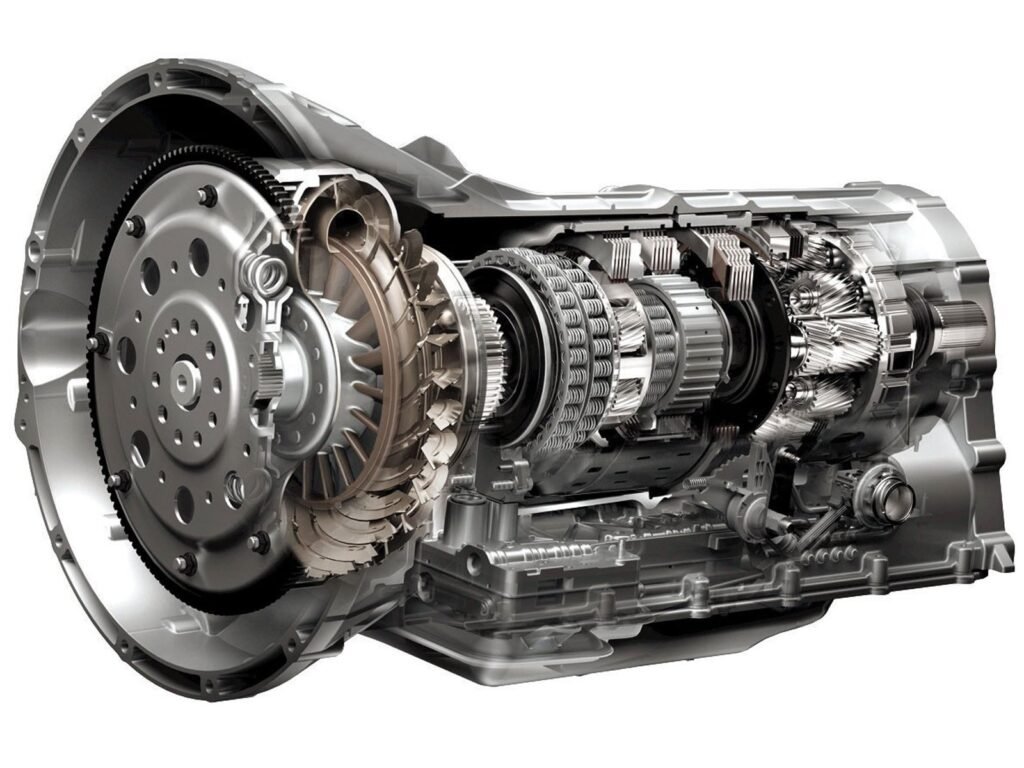
It uses:
Common in American, Korean, and Japanese cars.
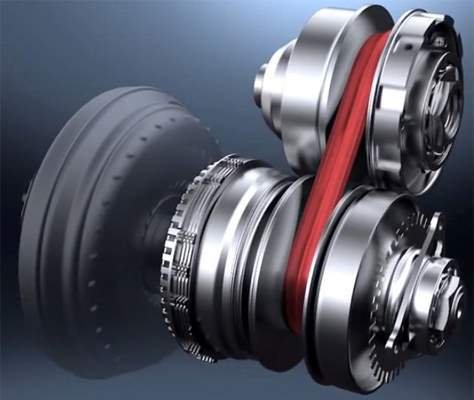
CVT does not use fixed gears.
Instead, it uses:
This creates smooth acceleration without noticeable gear shifts.
Common in Nissan, Toyota, and Honda vehicles.
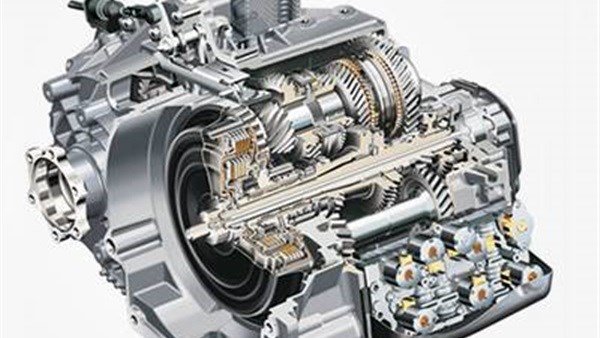
DSG uses:
It provides extremely fast gear changes.
Common in Volkswagen, Audi, and Skoda vehicles.
| Feature | Automatic | CVT | DSG |
|---|---|---|---|
| Reliability | ✅ High | ⚠ Medium | ⚠ Requires Care |
| Fuel Efficiency | Medium | ✅ High | High |
| Shift Speed | Medium | Smooth | 🔥 Very Fast |
| Maintenance Cost | Low | Medium | High |
| Best For | Daily + Rough Roads | City + Fuel Saving | Performance |
✅ For reliability → Traditional Automatic
✅ For fuel economy → CVT
✅ For performance & speed → DSG
The best option depends on your driving style — not just the transmission type.
✔ Change transmission fluid on time
✔ Use manufacturer-approved oil
✔ Avoid hard acceleration when cold
✔ Perform regular diagnostic checks
Proper maintenance prevents expensive repairs.
No — but it is not designed for aggressive driving.
Not risky — but it requires professional service and regular maintenance.
Traditional automatic transmissions generally last longer if properly maintained.
Understanding transmission systems helps you choose wisely and avoid costly repair mistakes.
Before buying a car:
✔ Check transmission type
✔ Review maintenance history
✔ Inspect transmission condition
If you’re unsure — let the experts at DrMechaNest help you make the right decision.