Causes of Poor Car Acceleration and High Fuel Consumption
Complete 2026 Guide to Diagnosis, Fixes & Prevention
Learn the most common causes of poor car acceleration and high fuel consumption. Discover expert diagnosis tips, warning signs, and solutions to restore engine performance with DrMechaNest.
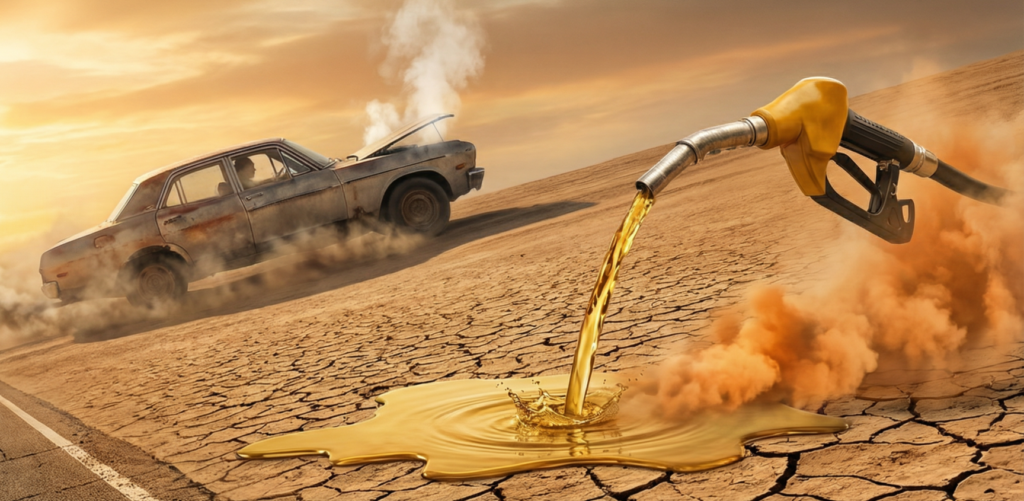
If your car feels sluggish, struggles to accelerate, or seems to burn fuel faster than usual, you’re likely dealing with an underlying mechanical issue.
Poor acceleration and high fuel consumption are not just annoying — they are warning signs that something in your engine, fuel system, or airflow management is not functioning properly.
In this in-depth guide from DrMechaNest, we’ll cover:
- What causes poor acceleration
- Why your car is consuming more fuel
- Step-by-step diagnosis
- Common engine and sensor failures
- Preventive maintenance tips
- When to seek professional inspection
Understanding Poor Acceleration
Poor acceleration means your engine is not producing power efficiently. You may notice:
- Delay when pressing the gas pedal
- Weak response when overtaking
- Difficulty climbing hills
- Engine hesitation
- Sluggish throttle response
- Increased RPM without speed gain
These symptoms often connect directly to fuel-air mixture imbalance or ignition problems.
Top Mechanical Causes of Poor Acceleration
1️⃣ Clogged Air Filter
Your engine requires the correct balance of air and fuel for combustion. A dirty air filter restricts airflow, causing:
- Reduced power output
- Poor throttle response
- Higher fuel consumption
- Black exhaust smoke (in severe cases)
Why it matters:
When airflow is restricted, the engine compensates by injecting more fuel, lowering efficiency.
✅ Recommended: Replace every 10,000–15,000 km or sooner in dusty environments.
2️⃣ Faulty Spark Plugs or Ignition Coils
Spark plugs ignite the air-fuel mixture. When worn:
- Misfires occur
- Acceleration becomes rough
- Engine vibrates
- Fuel efficiency drops
Bad ignition coils can cause similar issues.
🔧 Ignition problems are one of the most common causes of poor acceleration.
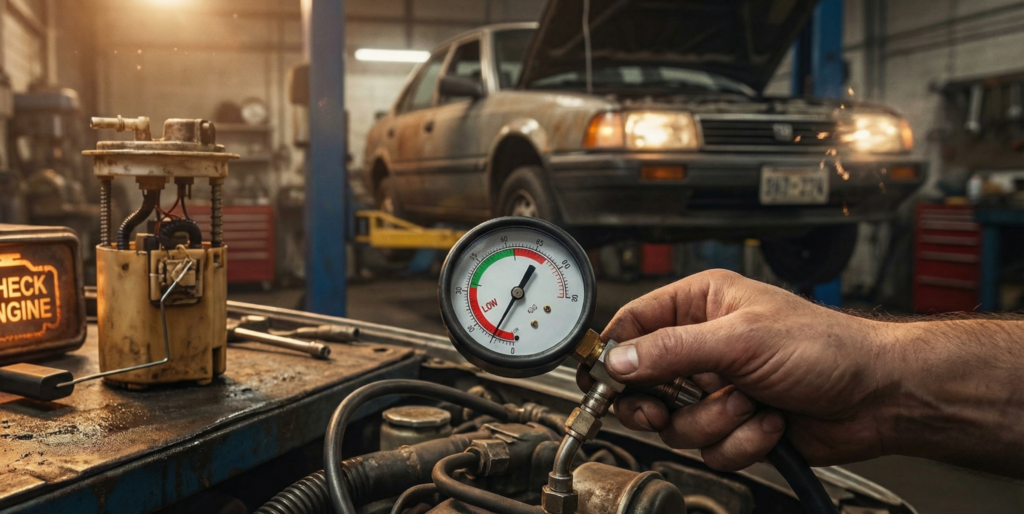
3️⃣ Weak Fuel Pump or Clogged Fuel Filter
Your engine needs consistent fuel pressure. A failing fuel pump or blocked fuel filter can lead to:
- Power loss under load
- Engine stalling
- Hesitation during acceleration
- Difficulty starting
Low fuel pressure directly affects engine performance.
4️⃣ Dirty or Failing Fuel Injectors
Fuel injectors spray atomized fuel into the combustion chamber.
If clogged:
- Uneven fuel distribution
- Engine knocking
- Poor fuel economy
- Reduced torque
Professional injector cleaning restores performance.
5️⃣ Faulty Oxygen (O2) Sensor
The oxygen sensor monitors exhaust gases and adjusts fuel mixture.
If it fails:
- Engine runs too rich (too much fuel)
- Fuel consumption increases
- Check Engine light activates
A faulty O2 sensor can increase fuel consumption by up to 15–20%.
6️⃣ Mass Air Flow (MAF) Sensor Failure
The MAF sensor measures incoming air.
If it sends incorrect readings:
- Air-fuel ratio becomes unbalanced
- Acceleration weakens
- Engine may stall
- Fuel efficiency decreases
Cleaning or replacing the MAF sensor often solves the issue.
7️⃣ Clogged Catalytic Converter
A blocked catalytic converter restricts exhaust gases.
Symptoms:
- Severe power loss
- Overheating
- Sulfur smell
- Poor acceleration at high RPM
Ignoring this may damage the engine permanently.
8️⃣ Transmission Problems
Sometimes poor acceleration isn’t engine-related.
Signs of transmission issues:
- Engine revs but car doesn’t move faster
- Delayed gear shifts
- Jerking during acceleration
Low transmission fluid or worn clutch (manual cars) may be the cause.
Causes of High Fuel Consumption
High fuel consumption often overlaps with poor acceleration.
Common reasons include:
- Dirty air filter
- Faulty O2 sensor
- Worn spark plugs
- Incorrect tire pressure
- Aggressive driving habits
- Excess vehicle weight
- Poor engine oil quality
- Frequent short trips
- Constant air conditioning use
Driving style alone can increase fuel consumption by 20–30%.
Environmental & Driving Factors
Driving conditions significantly affect performance:
- Heavy traffic (stop-and-go)
- High temperatures
- Driving uphill frequently
- Towing heavy loads
- Dusty roads
Under these conditions, maintenance intervals should be reduced by 20–30%.
Warning Signs That Require Immediate Attention
Seek professional inspection if you notice:
- Check Engine light
- Sudden severe power loss
- Black smoke from exhaust
- Strong fuel smell
- Engine overheating
- Knocking sounds
These symptoms may indicate serious engine damage.
Step-by-Step Basic Diagnosis
Before visiting a repair center, you can:
- Inspect the air filter
- Check tire pressure
- Monitor fuel usage
- Listen for misfires
- Use an OBD scanner to read fault codes
- Check engine oil level and condition
Early detection prevents expensive repairs.
Long-Term Risks of Ignoring Poor Acceleration
Delaying diagnosis may cause:
- Engine overheating
- Internal wear
- Fuel system damage
- Catalytic converter failure
- Increased repair costs
- Reduced resale value
Preventive maintenance protects both performance and budget.
How to Improve Acceleration & Fuel Efficiency
To restore optimal performance:
✔ Replace air filter regularly
✔ Change spark plugs on schedule
✔ Clean fuel injectors
✔ Maintain proper tire pressure
✔ Use manufacturer-recommended oil
✔ Avoid aggressive driving
✔ Reduce excess vehicle load
✔ Perform regular diagnostics
Frequently Asked Questions
Can low tire pressure cause poor acceleration?
Yes. It increases rolling resistance and fuel consumption.
Can a dirty throttle body affect acceleration?
Absolutely. Carbon buildup restricts airflow and reduces engine response.
Does engine oil affect fuel efficiency?
Yes. Old or incorrect viscosity oil increases engine friction.
How often should I diagnose my car?
At least once a year or whenever performance drops.
DrMechaNest Expert Advice
Poor acceleration and high fuel consumption are early warning signs — not problems to ignore.
A simple sensor replacement may cost little today.
An engine rebuild tomorrow will not.
At DrMechaNest, we believe in smart diagnostics, preventive care, and performance optimization.Keep your car powerful.
Keep it efficient.
Keep it maintained.