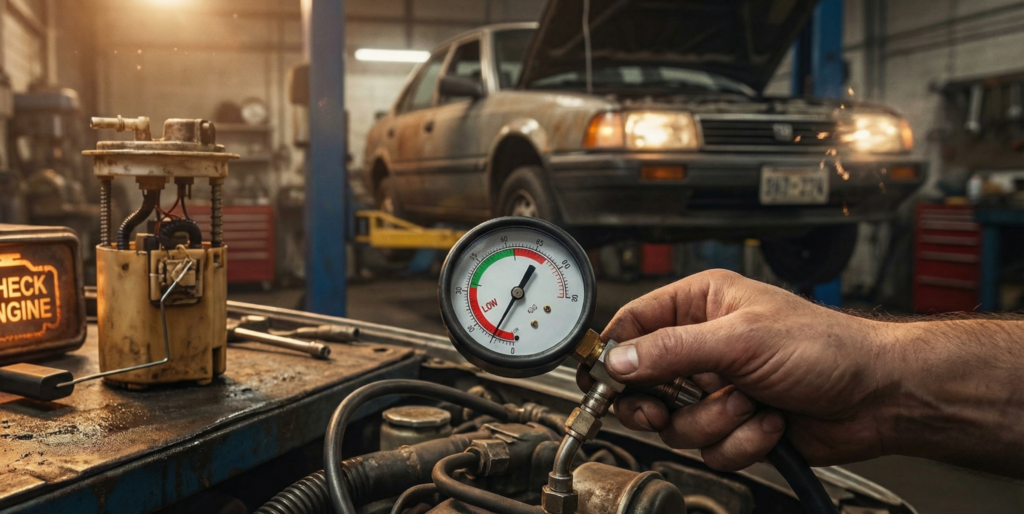
Regular vehicle maintenance is essential for ensuring safety, optimal performance, and long-term reliability.
Neglecting scheduled maintenance can result in unexpected breakdowns, reduced efficiency, and significantly higher repair costs over time.
To help you maintain your vehicle properly, DrMechaNest presents this practical guide outlining the recommended replacement intervals for key automotive components.
Engine Oil Replacement
Engine oil should be replaced every 5,000 to 10,000 kilometers, depending on the oil type, driving conditions, and manufacturer recommendations.
Delayed oil changes can lead to increased engine wear, reduced lubrication efficiency, and a shorter engine lifespan.
Oil Filter Replacement
The oil filter must be replaced with every engine oil change.
Its function is to remove contaminants and debris from the oil, ensuring proper engine protection and consistent performance.
Air Filter Replacement
The air filter should typically be replaced every 15,000 to 20,000 kilometers.
Vehicles operated in dusty or harsh environments may require more frequent inspection and replacement to maintain optimal air intake and fuel combustion.
Fuel Filter Replacement
Fuel filters are generally replaced every 30,000 to 40,000 kilometers.
A clean fuel filter protects the fuel pump, improves fuel economy, and supports smooth engine operation.
Belt Inspection and Replacement (Alternator, Air Conditioning, Timing Belt)
Accessory belts should be inspected every 40,000 kilometers for signs of wear, cracking, or tension loss.
Timing belt replacement intervals vary depending on vehicle model and engine design:
- Some vehicles require replacement every 60,000 kilometers
- Others can safely operate up to 100,000 kilometers before replacement
Any visible damage or unusual noise indicates the need for immediate replacement to prevent severe engine failure.
DrMechaNest Recommendation
Adhering to these maintenance intervals helps ensure vehicle reliability, enhances safety, and reduces long-term ownership costs.
Always refer to the manufacturer’s service schedule for model-specific recommendations.