🚨 Dashboard Warning Lights and Their Meanings – Complete Driver Guide
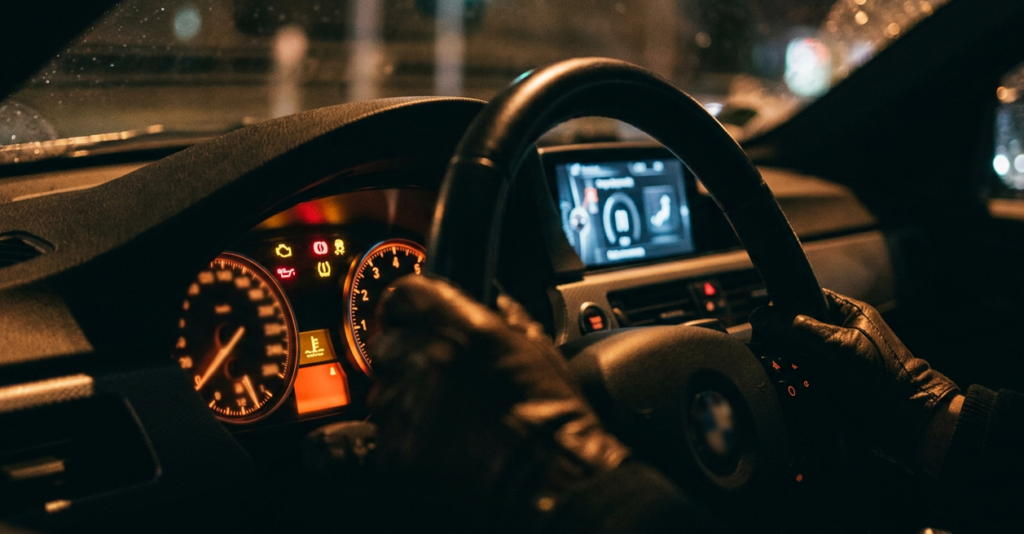
Dashboard warning lights are your vehicle’s built-in early alert system. When one of these lights turns on, your car is telling you that something needs attention — sometimes urgently. Ignoring certain warning indicators can lead to serious mechanical damage and costly repairs.
In this complete guide by Dr.MechaNest, you’ll learn the most important dashboard warning lights, what each symbol means, how serious it is, and what action you should take.
These warning lights indicate potentially severe engine or safety risks. Continuing to drive may cause major damage.
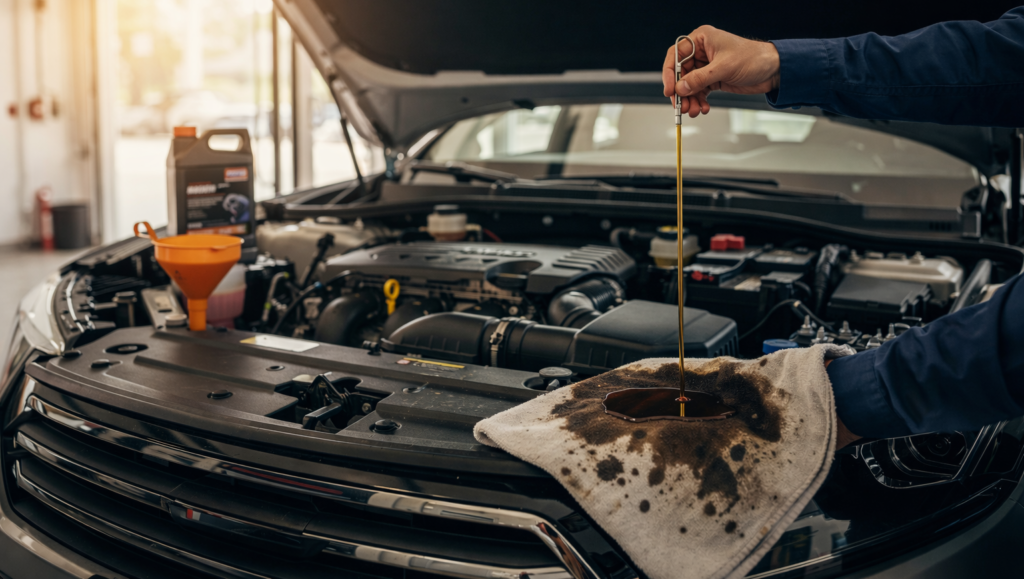
🛢 Engine Oil Pressure Warning Light
Symbol: Oil can icon Indicates: Low oil pressure or critically low oil level Risk Level: Severe — engine damage possible
What to do:
Stop the vehicle immediately
Turn off the engine
Check oil level after a few minutes
Do not continue driving if the light remains on
🌡 Engine Temperature Warning Light
Symbol: Thermometer over liquid waves Indicates: Engine overheating Risk Level: Severe — overheating can destroy the engine
What to do:
Pull over safely
Turn off the engine
Allow the engine to cool
Check coolant level and for leaks
🔋 Battery / Charging System Warning Light
Symbol: Battery icon Indicates: Alternator or charging system failure Risk Level: High — vehicle may stall
What to do:
Reduce electrical load (AC, lights, audio)
Drive only a short distance if necessary
Visit a service center immediately
🟠 Important Warning Lights — Service Required Soon
These lights indicate faults that are not immediately catastrophic but should not be ignored.
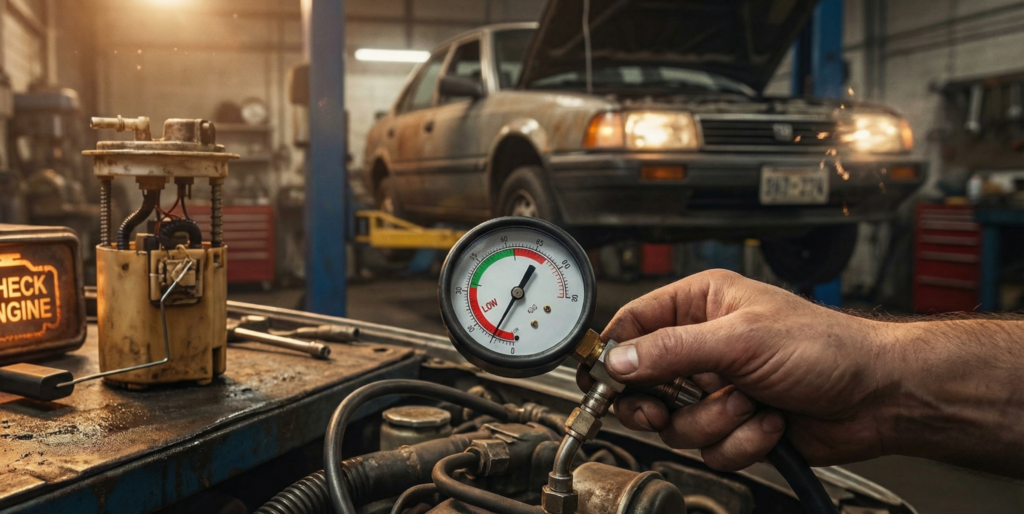
🚗 Check Engine Light (MIL)
Symbol: Engine outline Indicates: Engine, emissions, or sensor malfunction
Common causes include:
Faulty sensor
Misfire or ignition issue
Fuel or air system problem
Loose fuel cap (sometimes)
What to do:
Vehicle may be drivable short term
Run a diagnostic scan as soon as possible
Do not ignore persistent illumination
⚠️ ABS Warning Light
Indicates: Anti-lock braking system fault
What this means: Standard braking still works — but ABS safety support is disabled.
What to do: Schedule inspection soon, especially before highway driving.
🛑 Brake System Warning Light
Indicates:
Parking brake engaged
Low brake fluid
Hydraulic brake issue
What to do:
Release parking brake
Check brake fluid level
Inspect brake system promptly
🟢 Informational Indicator Lights
These lights are status indicators, not faults.
⛽ Low Fuel Indicator
Fuel level is near empty. Refuel within approximately 30–50 km (20–30 miles).
💡 High Beam Indicator
High beam headlights are active.
❄️ Air Conditioning Indicator
AC compressor is operating.
📊 Quick Reference Summary
Warning Light
Severity
Driver Action
Oil Pressure
Critical
Stop immediately
Engine Temperature
Critical
Stop & cool engine
Battery
High
Service urgently
Check Engine
Medium
Diagnose soon
ABS
Medium
Inspect soon
❓ Frequently Asked Questions
Is it safe to drive with the Check Engine light on?
Sometimes — for a short distance — but since the root cause is unknown, diagnostic testing should be done quickly.
Which dashboard warning lights are most dangerous?
Oil pressure and engine temperature lights present the highest risk of catastrophic engine damage.
Do all warning lights require immediate stopping?
No. General rule:
🔴 Red = Stop immediately
🟠 Yellow/Amber = Service soon
🟢 Green/Blue = Informational
💡 Dr.MechaNest Professional Tip
Your dashboard is not just informational — it is predictive. Acting early on warning indicators can prevent breakdowns and significantly reduce repair costs. When in doubt, diagnose — don’t delay.